Vegetable
Turnip
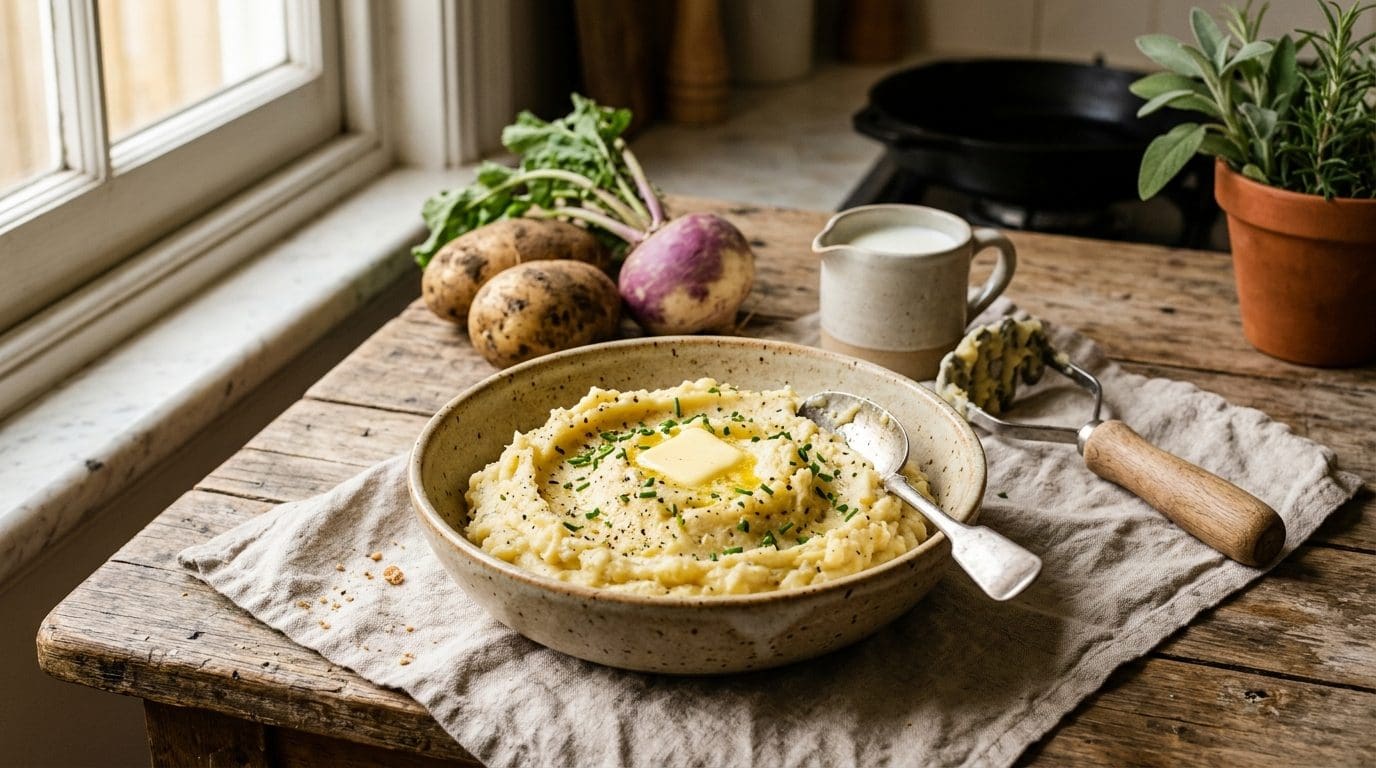
Turnip is a round, white and purple-topped root vegetable with a mildly peppery taste, somewhere between a radish and a cabbage. Young turnips are sweet and crisp enough to eat raw, while larger ones are better cooked, when they turn soft and mellow. They are in season in Australia in winter. Turnips are a source of vitamin C and fibre, and the leaves are edible. Roast or mash them, add chunks to soups and stews, or slice them thinly into gratins. Baby Japanese turnips are tender, need no peeling and can be pan-fried whole in butter. Turnip is not the same as swede, which is larger, yellower and sweeter, though they can be used in similar ways.
In season in Australia
Best Mar to Aug- January
- February
- March: in season
- April: in season
- May: in season
- June: in season
- July: in season
- August: in season
- September
- October
- November
- December
National guide. Local seasons vary by state.
Need help growing turnips? Try Planting Season
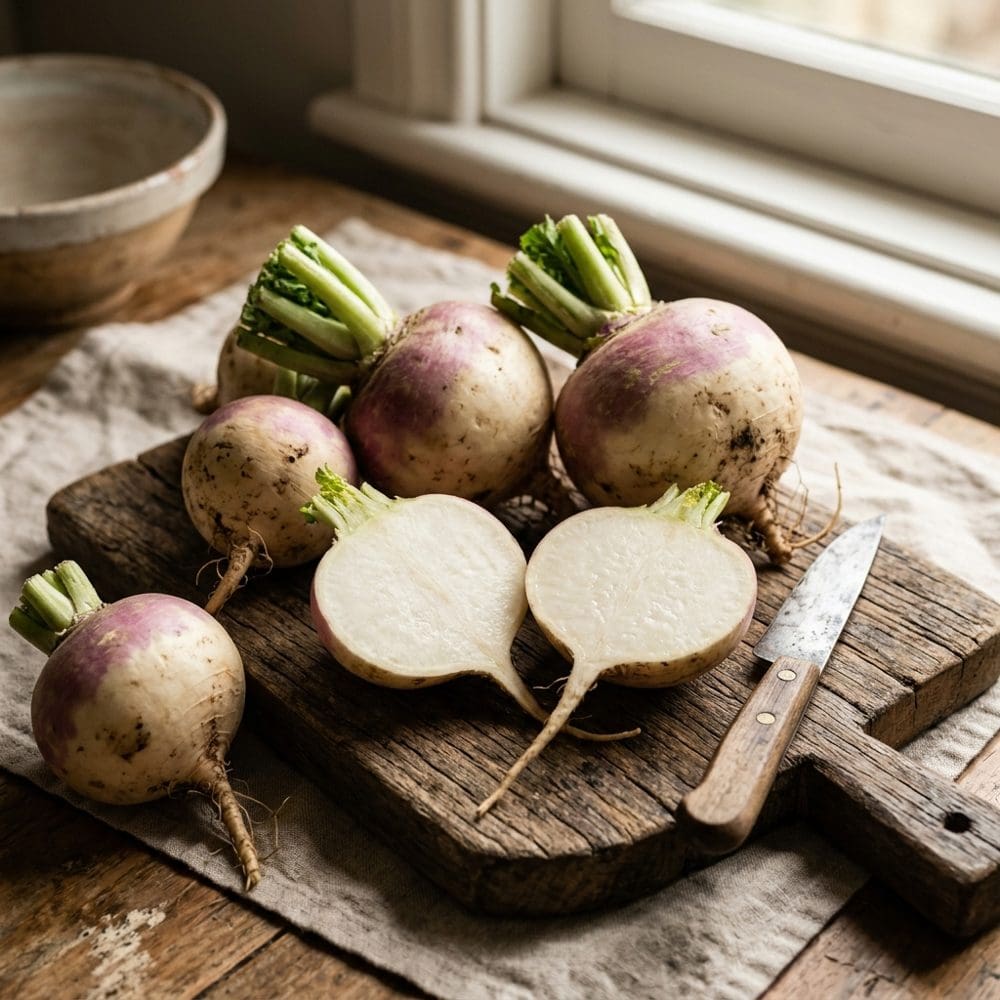 Illustration generated with AI
How to choose
Pick small to medium turnips that feel heavy and firm, with smooth skin and no cracks or soft spots. Smaller roots are sweeter and less woody. If the tops are attached, they should be fresh and green. Very large turnips can be bitter and have a spongy core.
How to store
Cut the leaves off and keep the roots in a loose bag in the crisper drawer for 1 to 2 weeks. Use the leaves within 3 days, as you would other greens. Cooked turnip keeps in a covered container in the fridge for about 4 days.
Freezing
Yes, for cooked dishes. Peel, cut into cubes and blanch for 2 minutes, then cool in iced water and drain well. Freeze on a tray, then bag. They keep for about 10 months and suit soups, stews and mash. Raw turnip does not freeze well.
Too many turnips?
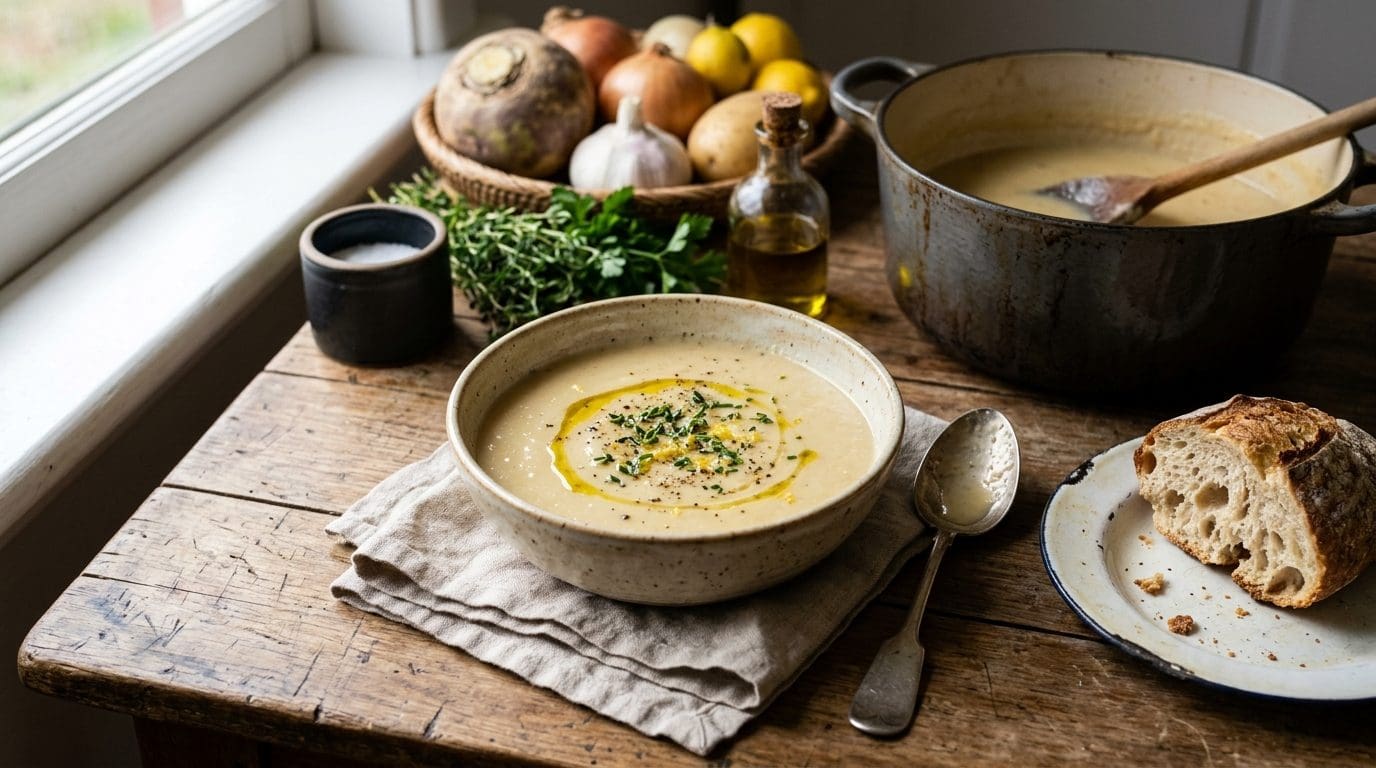
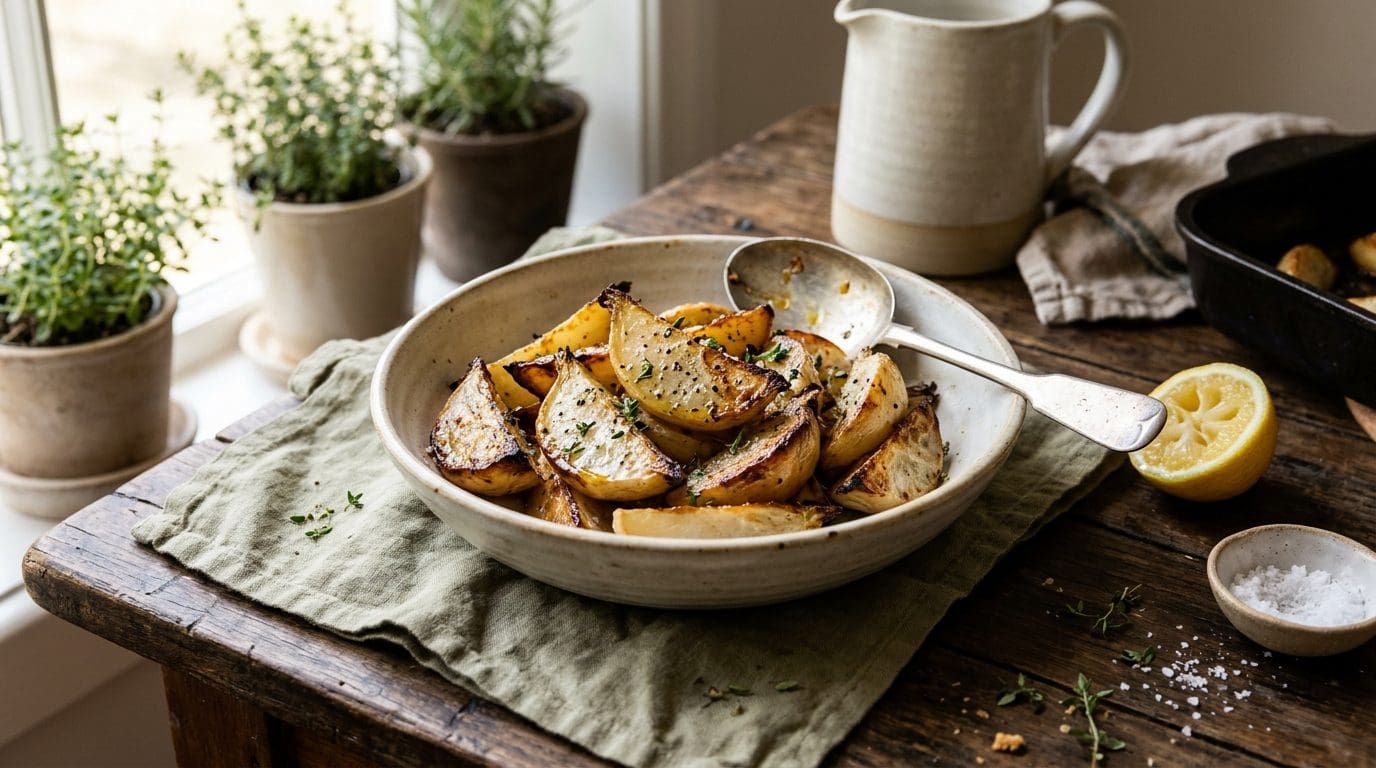
Roast cubes with oil and thyme until browned, or mash them with potato and butter. Add them to soup and slow-cooked stews, or make a turnip gratin. Pickle thin slices in vinegar with beetroot for a pink pickle, which keeps for several weeks in the fridge.
Turnip recipes
Know what is in season
One email a month with the produce at its best and what to cook with it.
Turnip questions
What does turnip taste like?
Turnip tastes mildly peppery and slightly sweet, like a cross between a radish and a cabbage. Cooking softens the pepperiness and brings out sweetness. Young turnips are mild enough to eat raw, while old ones can taste bitter.
Is turnip the same as swede?
No. Turnips are smaller, white with a purple top and sharper in flavour. Swede is larger, with yellow flesh and a sweeter, earthier taste. Swede takes longer to cook. They can often be used in the same recipes.
Do you need to peel turnips?
Peel larger turnips, as the skin can be tough and bitter. Young, small turnips only need a scrub, and their skin is thin and edible. Trim the root tip and the stem end either way.
Can you eat turnip raw?
Yes, if it is young and small. Slice or grate it thinly into salads and slaws for a peppery crunch. Larger turnips are better cooked, because they can be bitter and woody when raw.