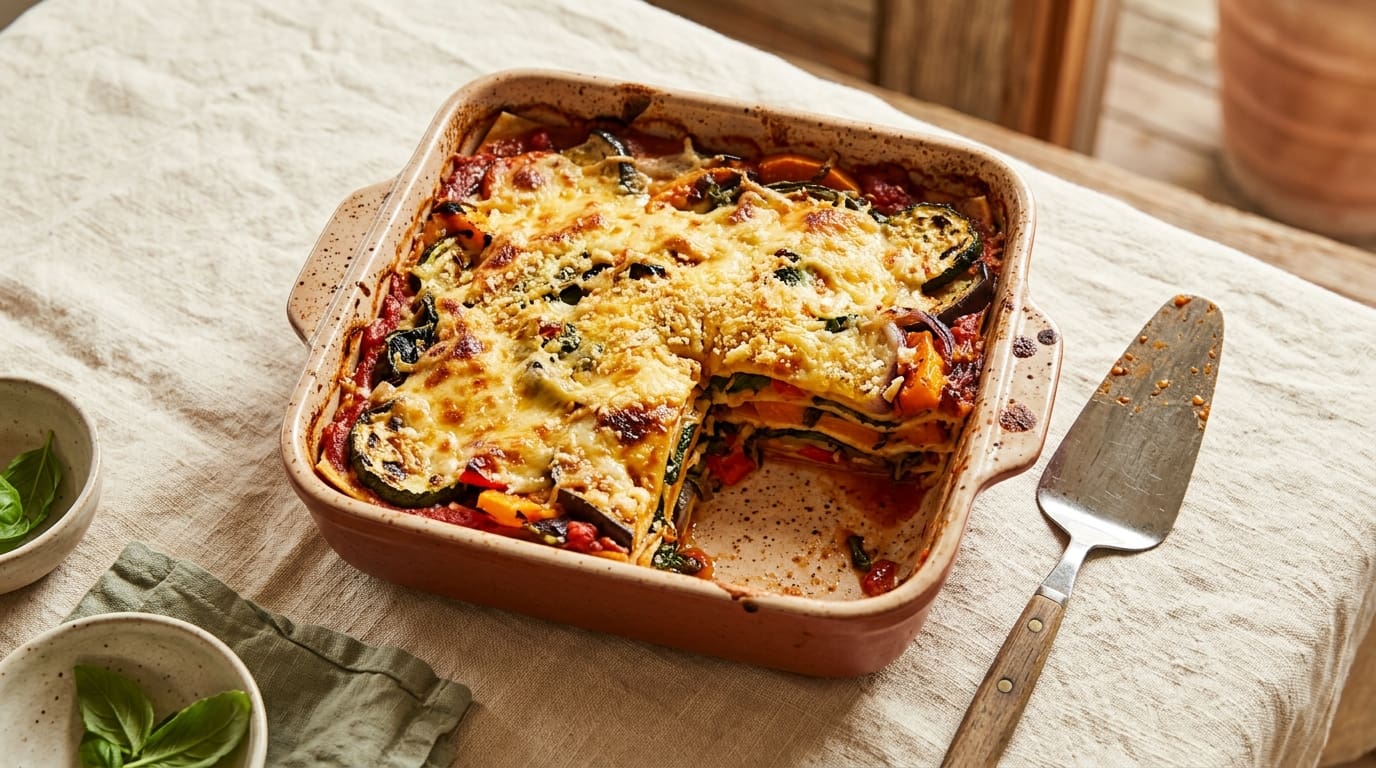
Vegetable
Zucchini
Zucchini is a summer squash with a mild, slightly sweet flavour and soft, edible skin. Most zucchini sold in Australia are green, though yellow and pale Lebanese types are also grown. It is sold all year, with the warm months from November to March the peak in most states. Eat it raw in salads, grate it into slice, fritters and cakes, or grill, roast, stir-fry and pickle it. The flesh is mostly water, so salt or squeeze it when a recipe needs it dry.
In season in Australia
Best Nov to Mar- January: in season
- February: in season
- March: in season
- April
- May
- June
- July
- August
- September
- October
- November: in season
- December: in season
National guide. Local seasons vary by state.
Need help growing zucchini? Try Planting Season
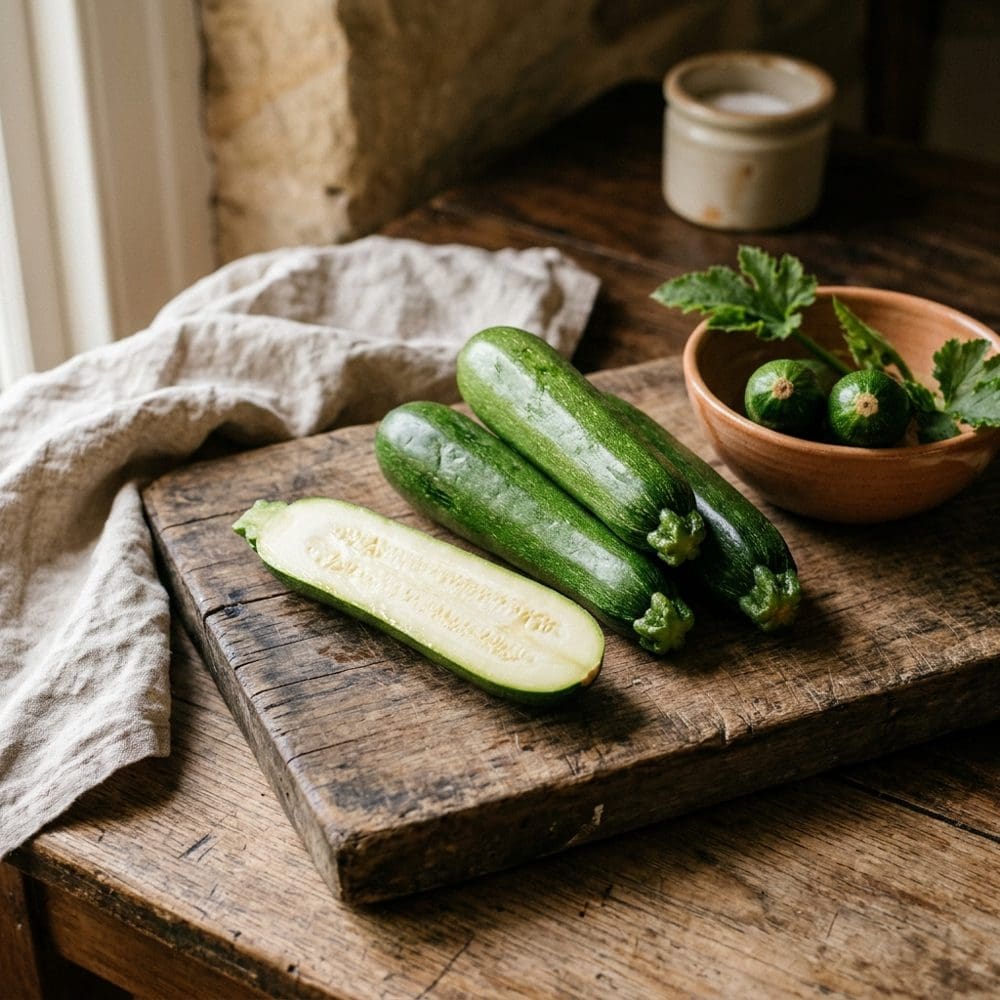 Illustration generated with AI
How to choose
Pick small to medium zucchini, about 15 to 20 cm long, that feel firm and heavy for their size. The skin should be glossy and unblemished, and the stem end fresh, not shrivelled. Smaller ones have fewer seeds and a sweeter flavour. A very large zucchini is watery with tough seeds, so it suits grating, not slicing. Avoid soft spots and wrinkled skin.
How to store
Keep zucchini unwashed in the crisper drawer, in a paper bag or loosely wrapped, for up to a week. Wash just before using. They go soft and wrinkled if left on the bench in summer heat. Once cut, wrap the cut end and use it within 2 to 3 days.
Freezing
Yes, but not raw slices, which turn mushy. Grate it, squeeze out as much liquid as you can in a clean tea towel, and freeze in flat bags in portions of about 250 g. Use within 6 months in slice, muffins, soups, sauces and fritters. Blanched slices also freeze, but suit only cooked dishes such as soup and pasta sauce.
Too many zucchini?
Grate and freeze it in measured bags so a recipe is ready to go in winter. Make zucchini slice, fritters or a loaf, which each use a lot at once. Stir grated zucchini into bolognese, curry and pasta sauce, where it disappears. Cook down a big batch into soup, ratatouille or relish. Slice into thin ribbons for a raw salad or pickle. An oversized one can be halved, hollowed and stuffed, or grated.
Zucchini recipes
Know what is in season
One email a month with the produce at its best and what to cook with it.
Zucchini questions
Do you need to peel zucchini?
No. The skin is thin and edible, and it holds the slices together when cooked. Wash it and trim the ends. Peel only a very large zucchini with tough, thick skin, and scoop out the big seeds first.
Why is my zucchini watery?
Zucchini is mostly water, and it releases it when salted or heated. For slice, fritters and bread, grate it, sprinkle with a little salt, leave for 10 minutes, then squeeze it out in a tea towel. For stir-fries, use high heat and a hot pan so it browns before it steams.
Can you eat zucchini raw?
Yes. Small, firm zucchini are good raw. Shave them into ribbons with a peeler, or cut thin coins, and dress with lemon juice, olive oil and salt. Large ones taste more bitter and watery raw, so cook those.
What is the difference between zucchini and marrow?
They are the same plant. A marrow is a zucchini left to grow large, often 30 cm or more, with a thicker skin, bigger seeds and blander, wetter flesh. It suits stuffing, baking and grating, rather than quick frying.
Why is my zucchini bitter?
Bitterness comes from natural compounds the plant makes when it is stressed, for example by heat or uneven watering. Taste a small piece raw before cooking. If it tastes bitter, throw the whole zucchini out: cooking does not remove the bitterness, and very bitter zucchini can make you unwell.