Fruit
Oranges
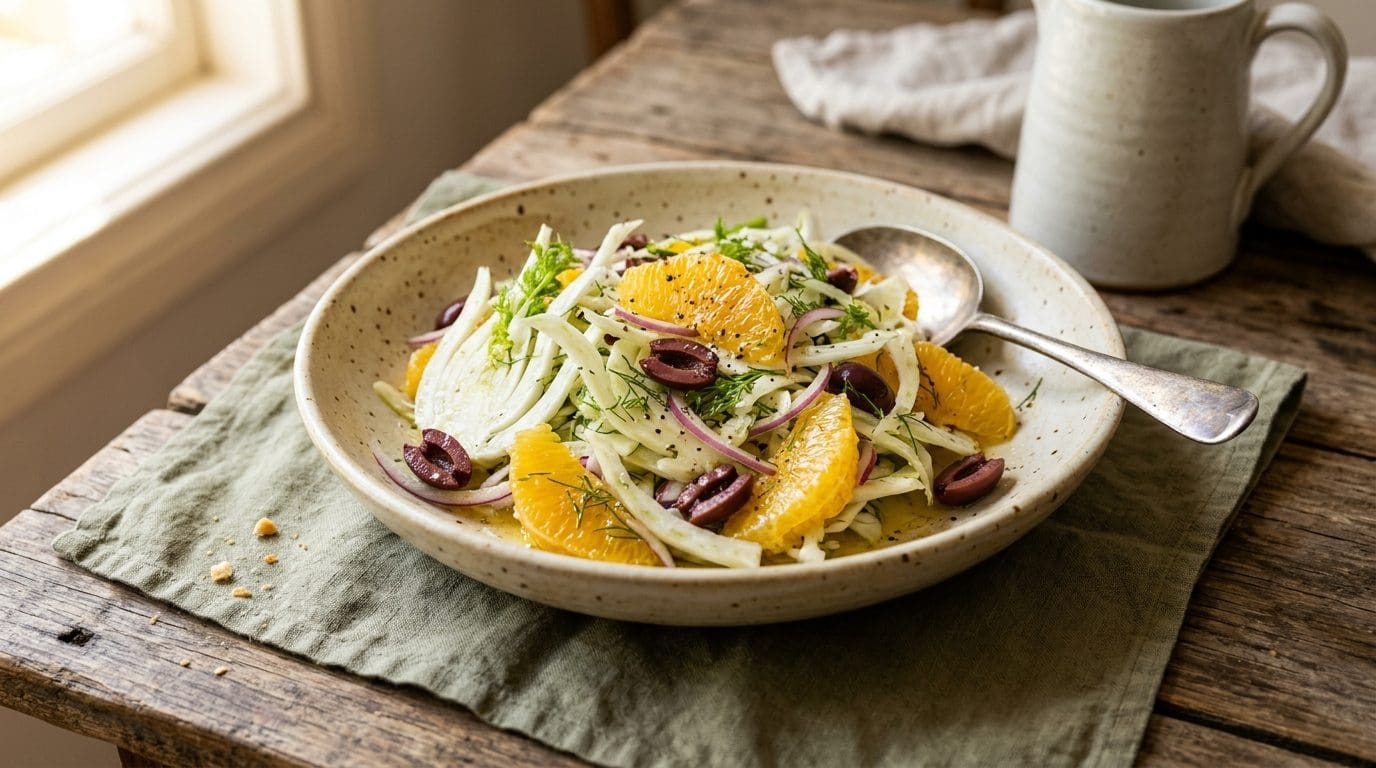
Oranges are a round citrus fruit with sweet, juicy flesh and a thick peel that is easy to zest. In Australia, navel oranges are sold from June to October and Valencias from November to February, so there is rarely a month with nothing good to buy. Navels are seedless and best eaten fresh. Valencias hold their flavour when juiced. Oranges are a good source of vitamin C and give some fibre when you eat the flesh rather than just the juice. In the kitchen, the zest works as hard as the fruit: it goes into cakes, dressings, marinades and syrups. Segments suit salads with fennel or carrot, and the juice makes a quick glaze for roast pumpkin or a pan sauce for chicken.
In season in Australia
Best Jun to Oct- January
- February
- March
- April
- May
- June: in season
- July: in season
- August: in season
- September: in season
- October: in season
- November
- December
National guide. Local seasons vary by state.
Need help growing oranges? Try Planting Season
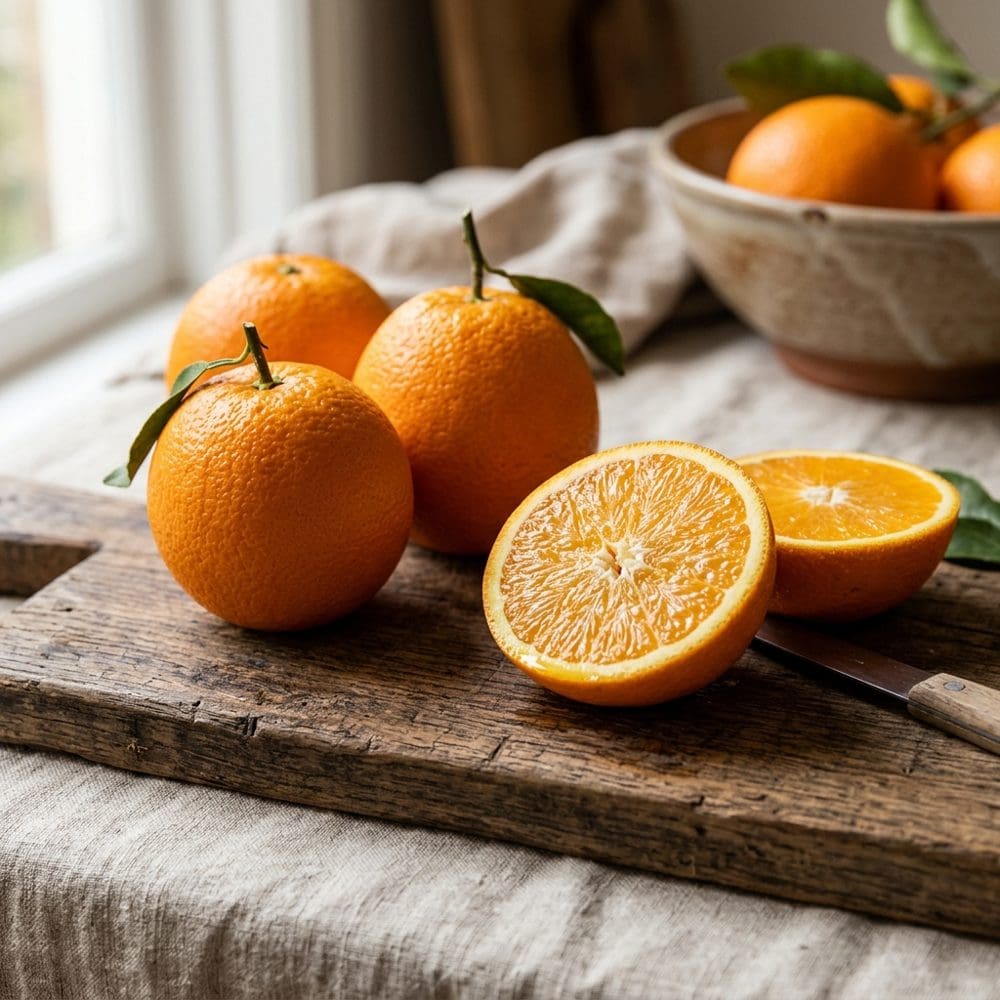 Illustration generated with AI
How to choose
Pick oranges that feel heavy for their size, because weight means juice. The skin should be firm with a slight give, not soft or spongy. Colour is not a reliable guide: some ripe oranges are tinged green. Navels with a thinner, smooth peel are usually juicier than ones with thick, puffy rind.
How to store
Keep oranges in a fruit bowl for up to a week, or in the crisper drawer for 2 to 3 weeks. They keep better in the fridge in warm weather. Store them loose, not in a sealed plastic bag, which traps moisture and encourages mould. Once peeled or cut, wrap the pieces and eat them within 2 days.
Freezing
Whole oranges do not freeze well, because the flesh turns mushy once thawed. Freeze the parts instead. Juice goes into ice cube trays, then into a bag. Zest freezes in a small container with no preparation. Peeled segments can be frozen on a tray, then bagged, and suit smoothies. Use within 3 months.
Too many oranges?
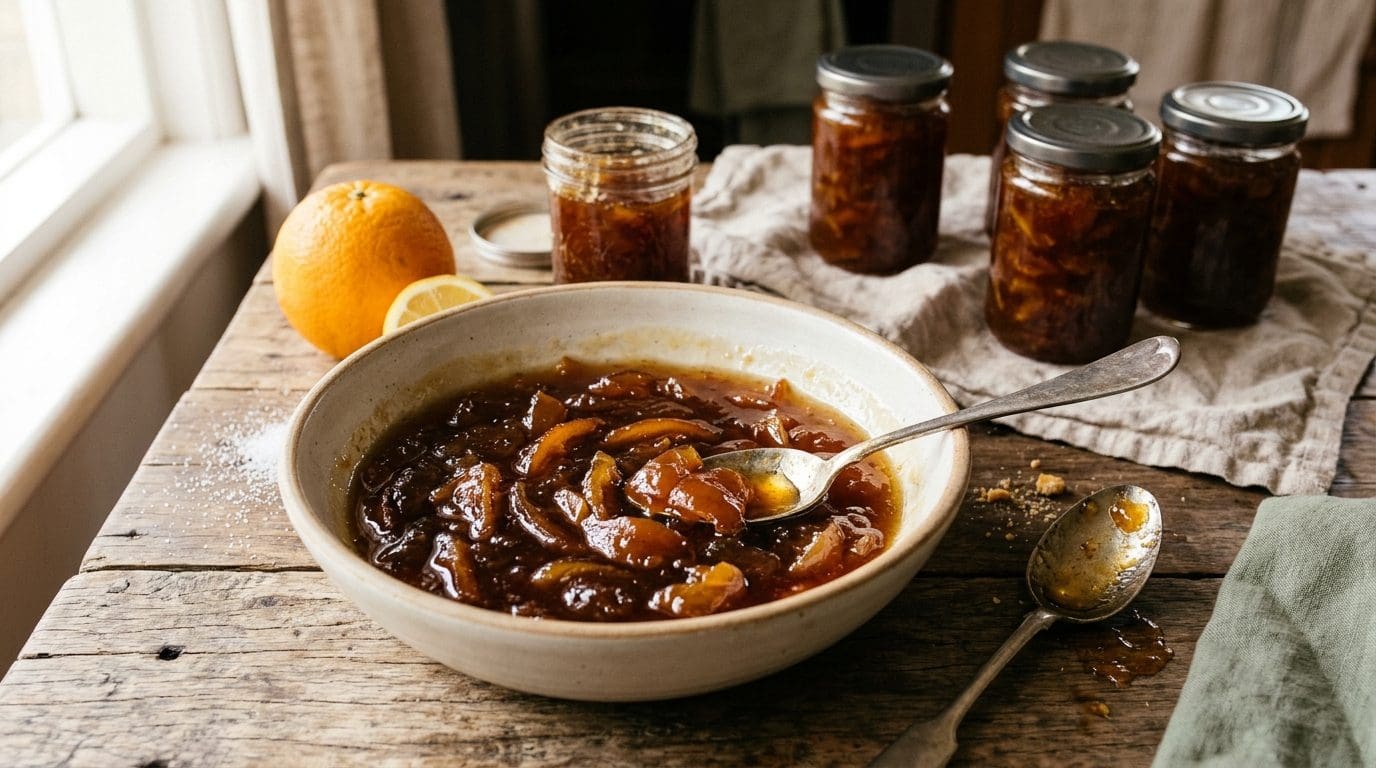
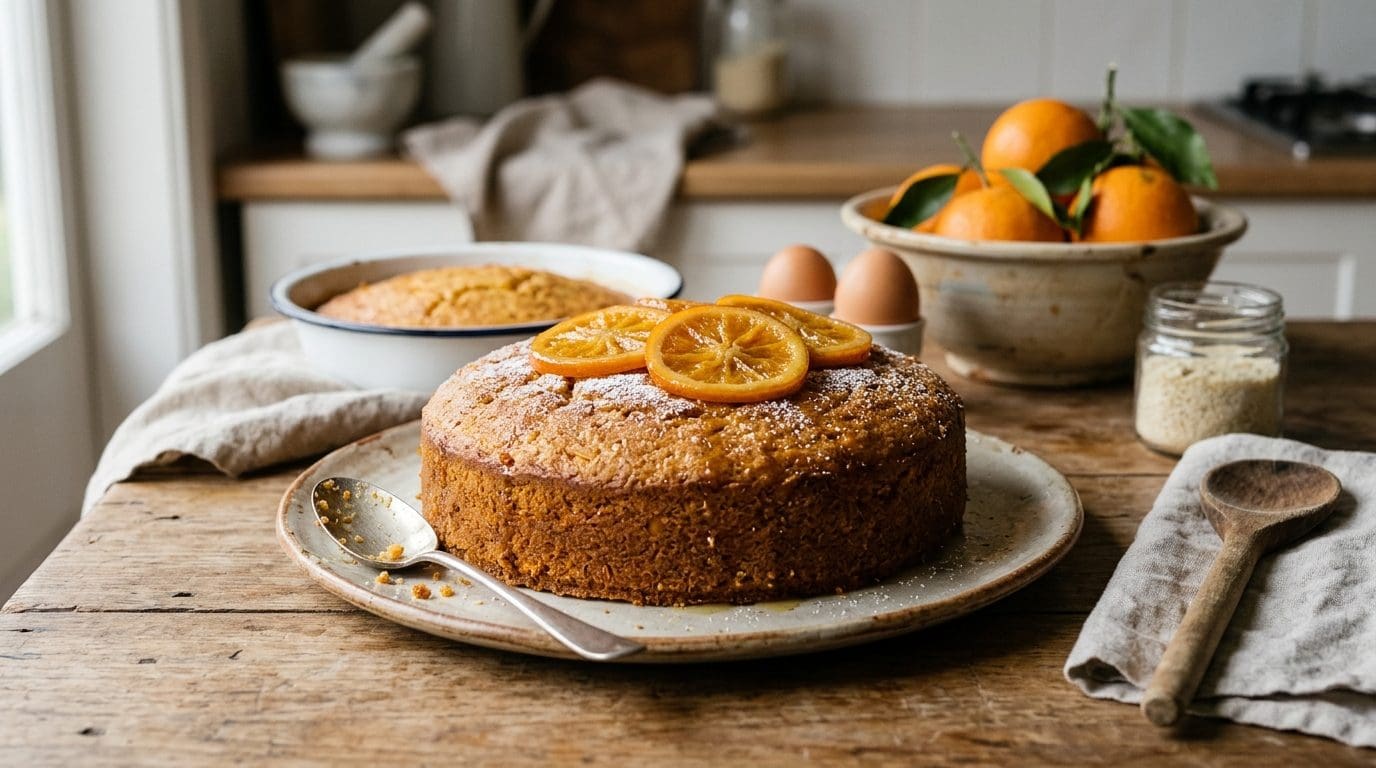
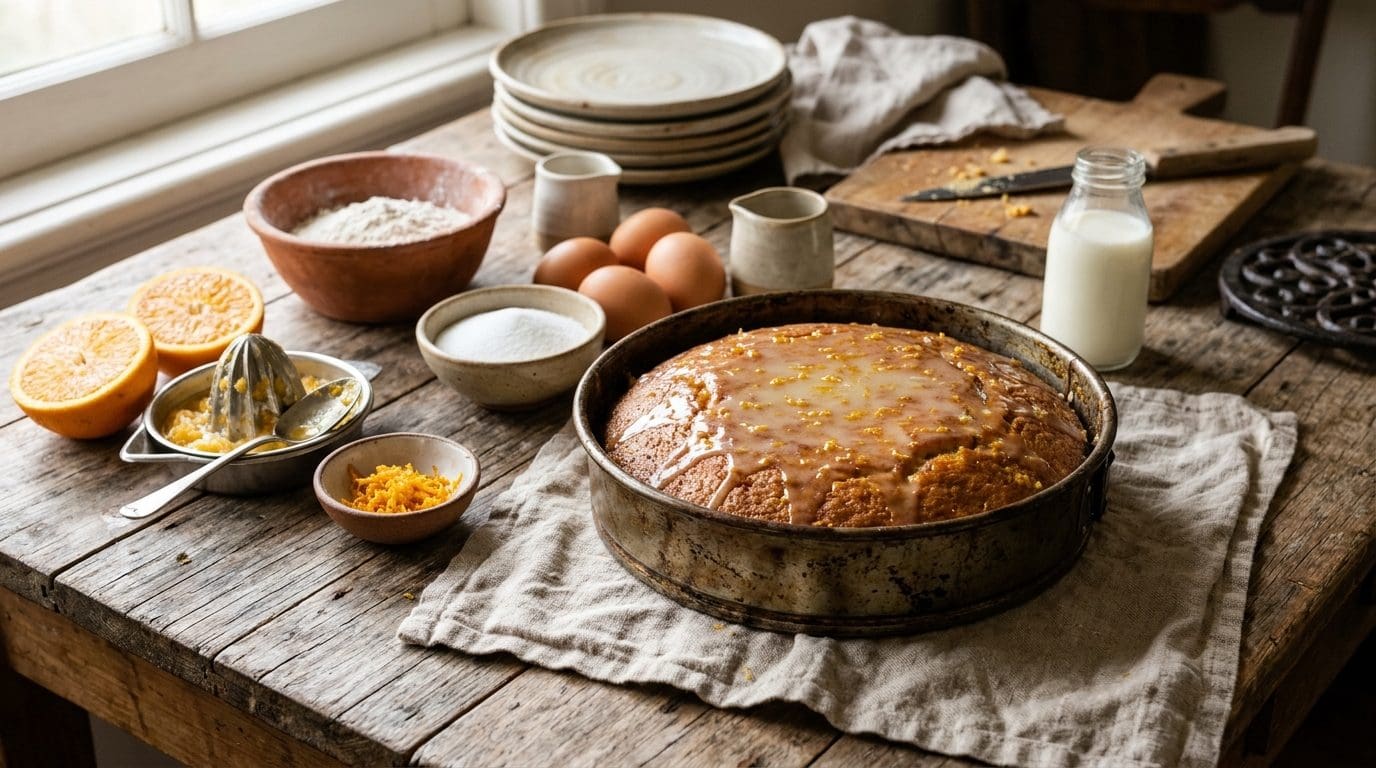
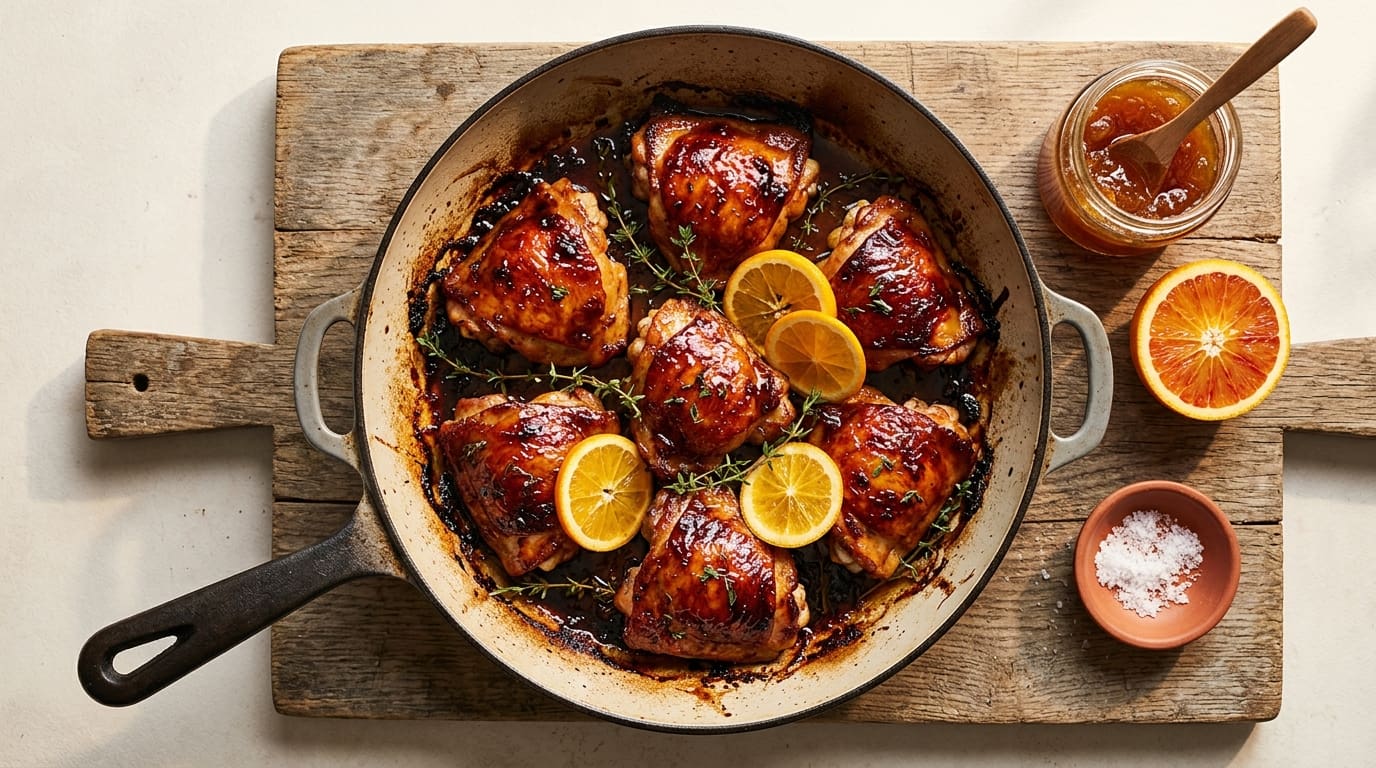
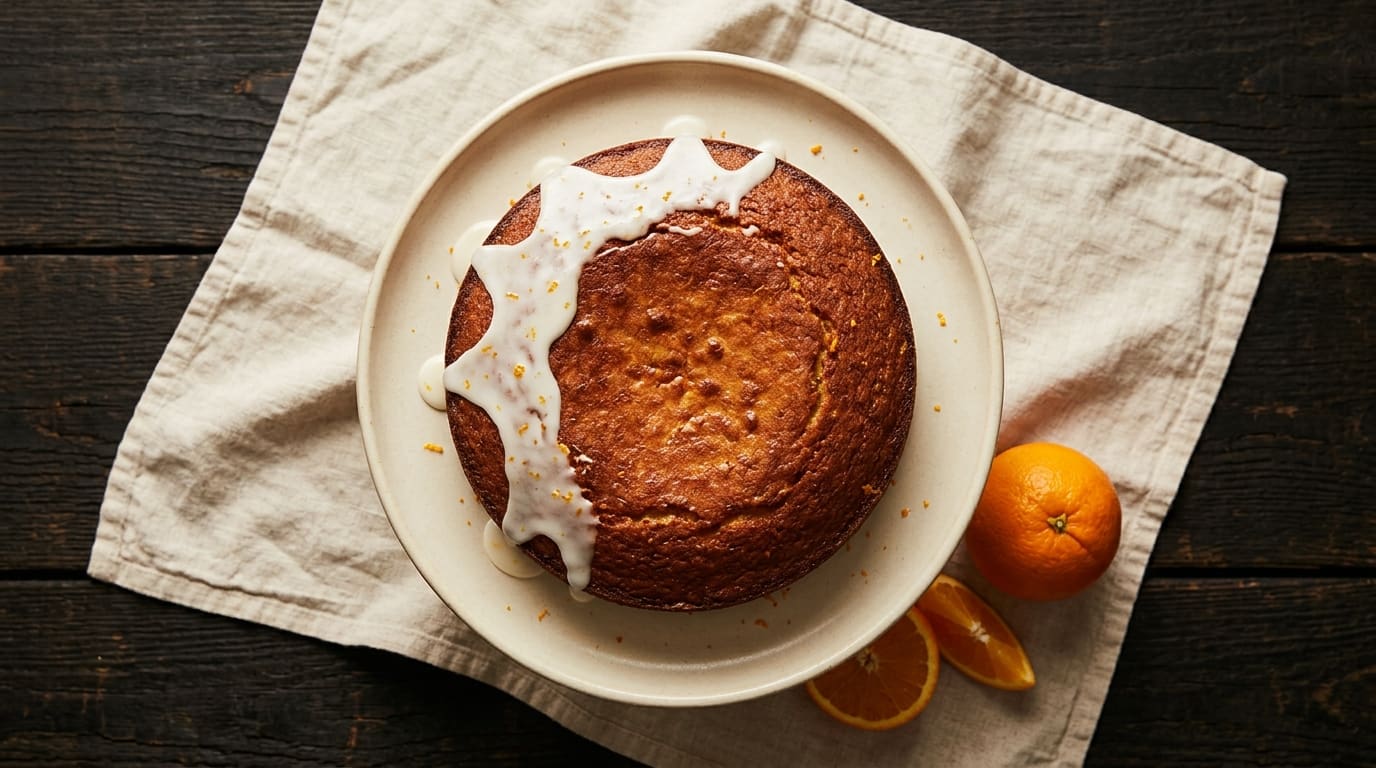
Juice them and freeze the juice in cubes, or simmer the peel and juice into marmalade, which keeps in sterilised jars for a year. Zest first and freeze it in a container. Slice a few and roast them with pork or chicken, or bake an orange cake that uses a whole boiled orange.
Oranges recipes
Know what is in season
One email a month with the produce at its best and what to cook with it.
Oranges questions
Which oranges are best for juicing?
Valencia oranges are the usual choice for juice, and they are in season from November to February. They hold their flavour and do not turn bitter as fast as navels, which are better eaten fresh. Juice navels just before you drink them.
How long do oranges last?
Oranges last about a week on the bench and 2 to 3 weeks in the fridge crisper. Check for soft spots or white mould near the stem and remove any affected fruit so the rest stay good. Cut oranges should be eaten within 2 days.
Can you eat orange peel?
Yes, the zest is safe to eat and used widely in cooking, but the white pith underneath is bitter. Wash the fruit well and grate only the coloured layer. Unwaxed or organic fruit is a good choice if you plan to use a lot of zest.
Are navel and Valencia oranges the same?
No. Navels are seedless, easy to peel and best eaten fresh, and they are in season in winter. Valencias have thinner skin, a few seeds and more juice, and they come in summer. Both are oranges, so either works in most recipes.