Fruit
Lemon
Lemons are a sharp, juicy citrus fruit used for juice, zest and slices. Eureka and Lisbon are the common supermarket types, Meyer lemons are rounder, sweeter and thinner-skinned, and lemonade lemons are mild enough to eat in segments. Lemons are in the shops all year in Australia, and the winter months from May to August are the peak, when backyard trees are heaviest. Use the juice in dressings, curds, cakes and marinades, the zest in baking and rice, and thin slices in roasts and tea. Lemons are a source of vitamin C. Zest before you juice, because a squeezed lemon is hard to grate.
In season in Australia
Best May to Aug- January
- February
- March
- April
- May: in season
- June: in season
- July: in season
- August: in season
- September
- October
- November
- December
National guide. Local seasons vary by state.
Need help growing lemons? Try Planting Season
 Illustration generated with AI
How to choose
Pick lemons that feel heavy for their size, which means more juice. The skin should be firm and bright, with a fine grain rather than a thick, bumpy rind. Avoid lemons with soft spots, shrivelled ends or hard, dull skin. Thin-skinned lemons give more juice, and thick-skinned ones give more zest and pith.
How to store
Keep lemons in the crisper in a loose bag, where they last 3 to 4 weeks. On the bench they last about a week before they dry out. Once cut, wrap the half in cling wrap or keep it in a container, cut side down, and use it within 3 days. Juice keeps in the fridge in a jar for 2 to 3 days.
Freezing
Yes. Freeze juice in ice cube trays, then tip the cubes into a bag, where they keep for about 4 months. Zest first and freeze the zest flat in a container. You can also freeze whole lemons, which grate easily from frozen. Thawed lemon slices go soft, so use them in drinks, roasts and cooking, not as a garnish.
Too many lemons?
Make lemon butter or curd, which keeps in the fridge, and squeeze the rest into ice cube trays. Salt a jar of preserved lemons and keep it in the fridge. Zest and freeze the peel, bake a lemon cake or lemon slice, stir up a big jug of lemon cordial, or use several at once in a roast chicken. Give a bag to the neighbours.
Lemon recipes
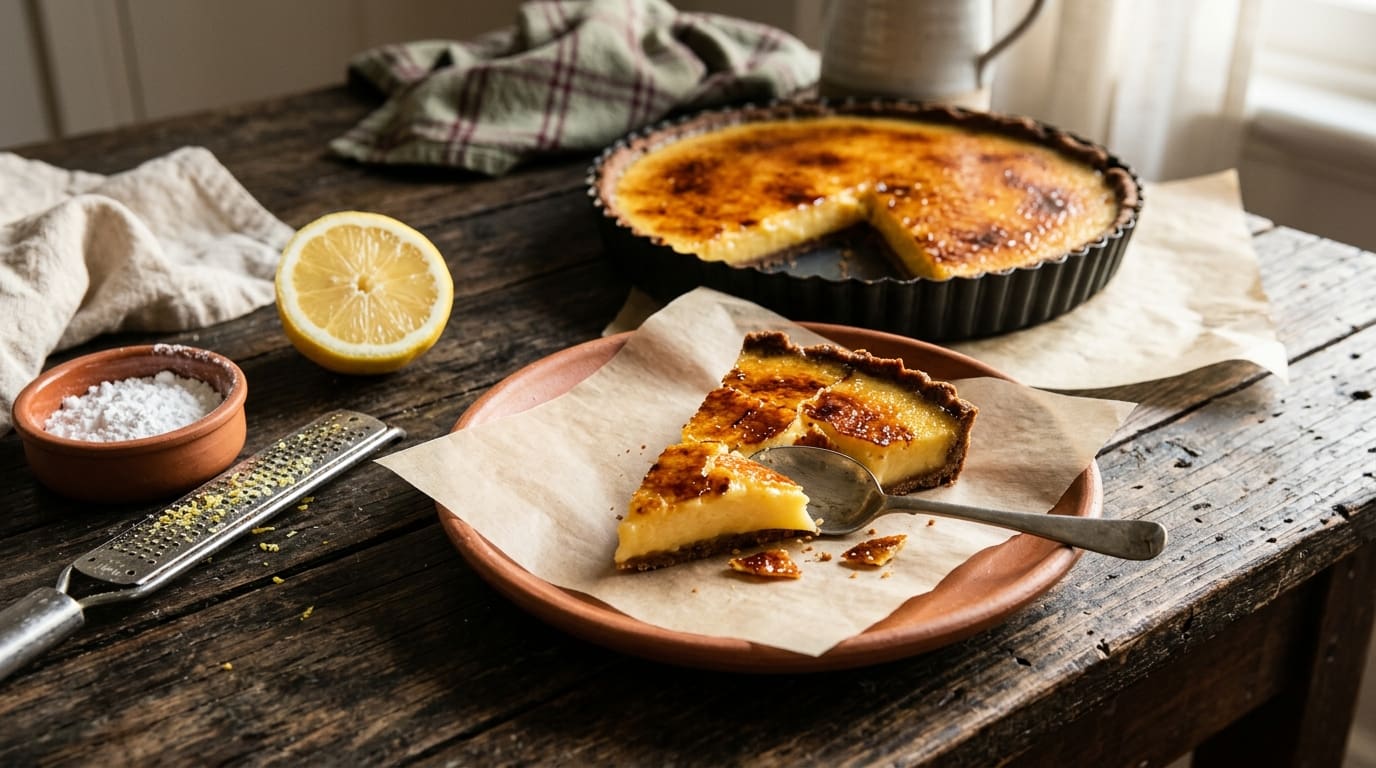
Lemon Tart with Burnt Sugar Top
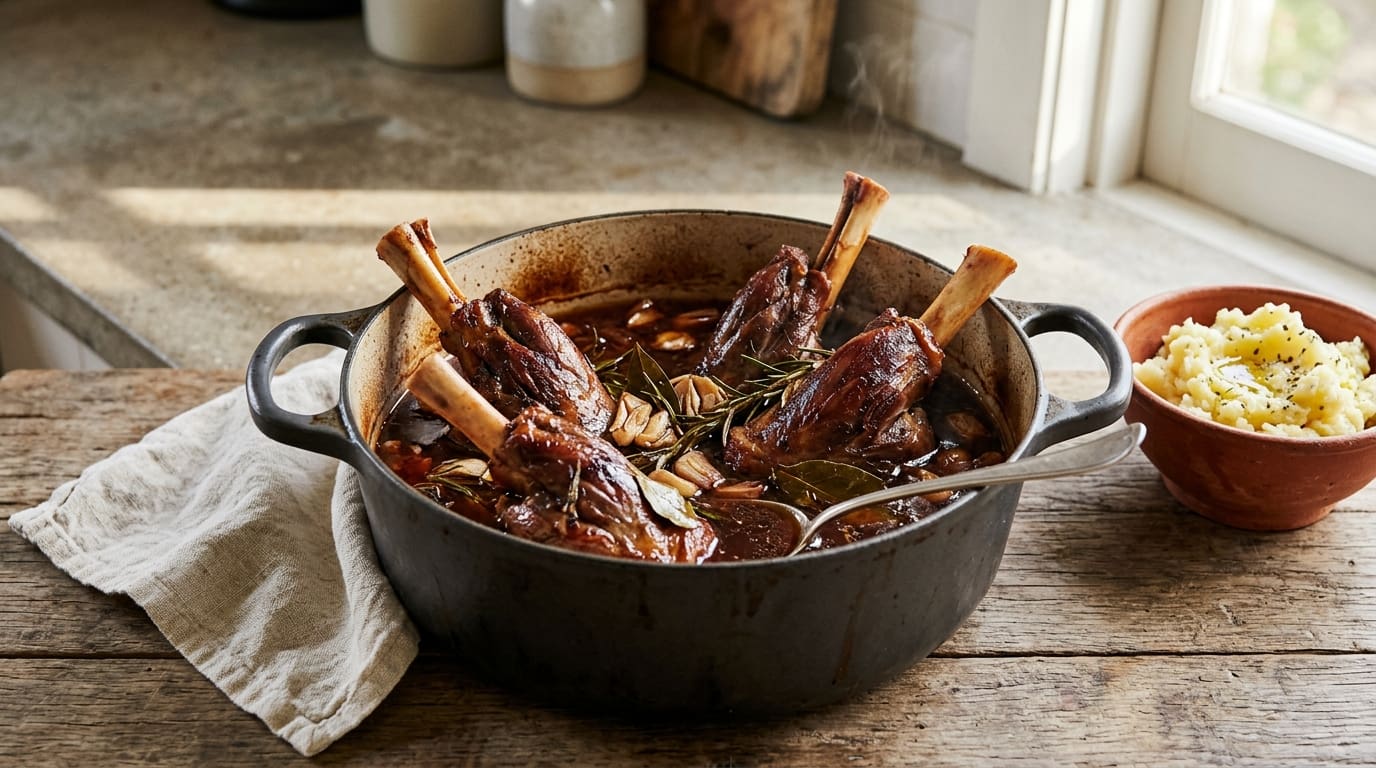
Lamb Shanks in Red Wine and Rosemary
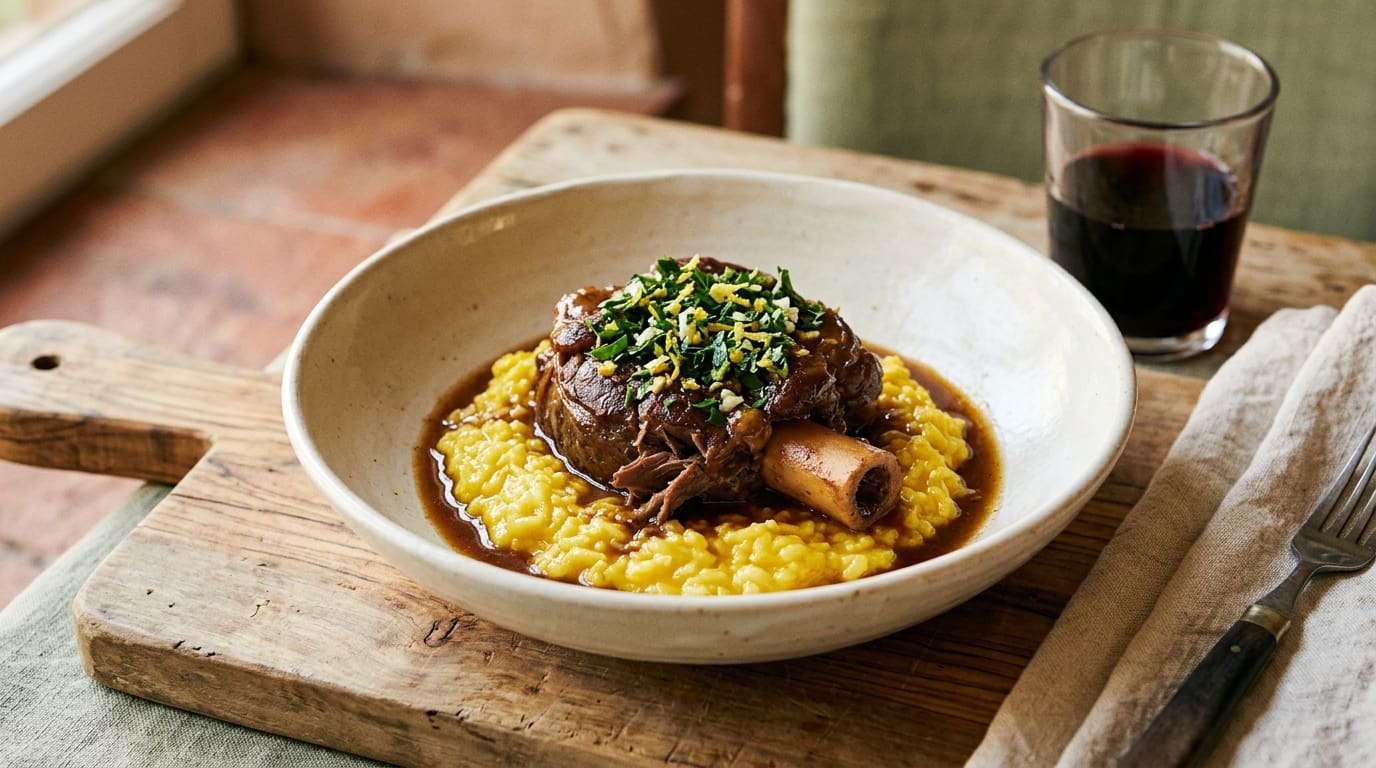
Slow Osso Buco with Saffron Risotto
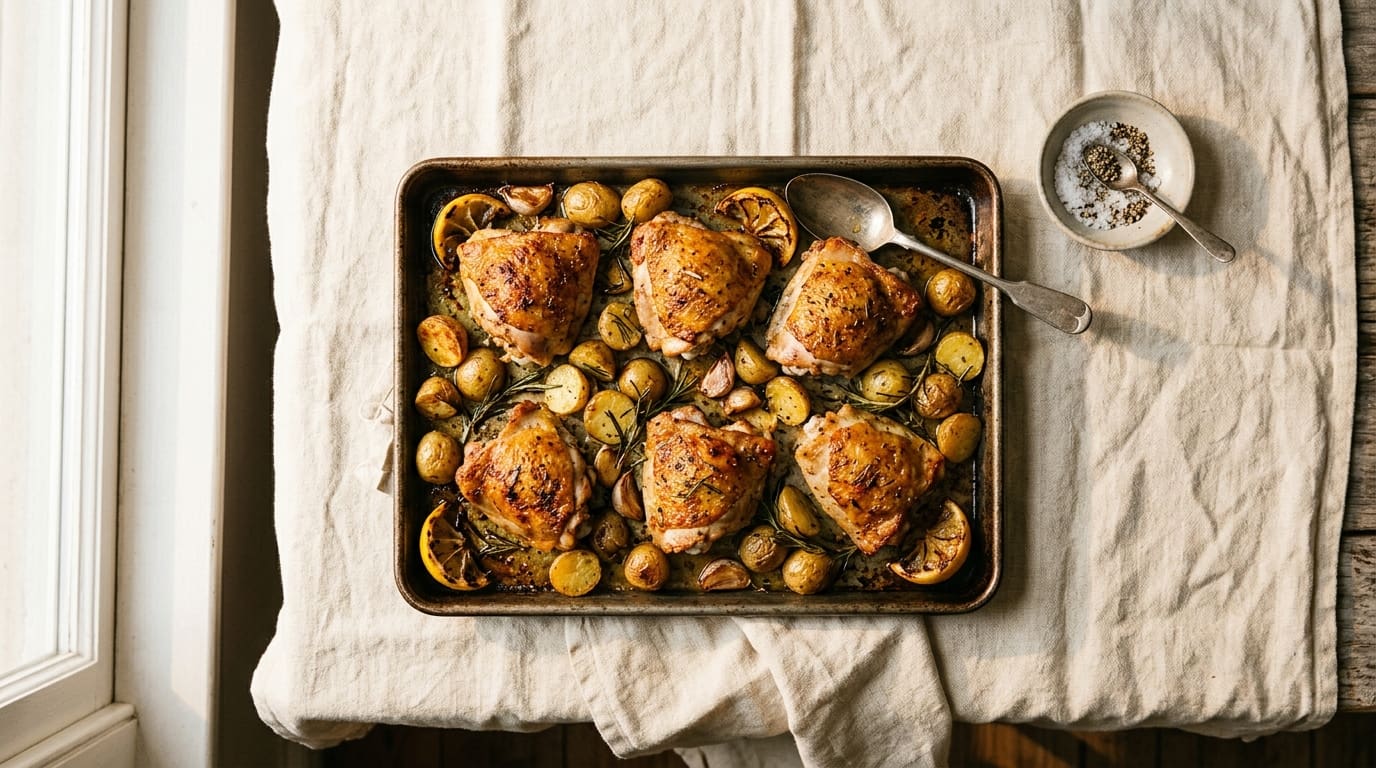
Sheet Pan Rosemary Chicken Thighs with Roast Potatoes
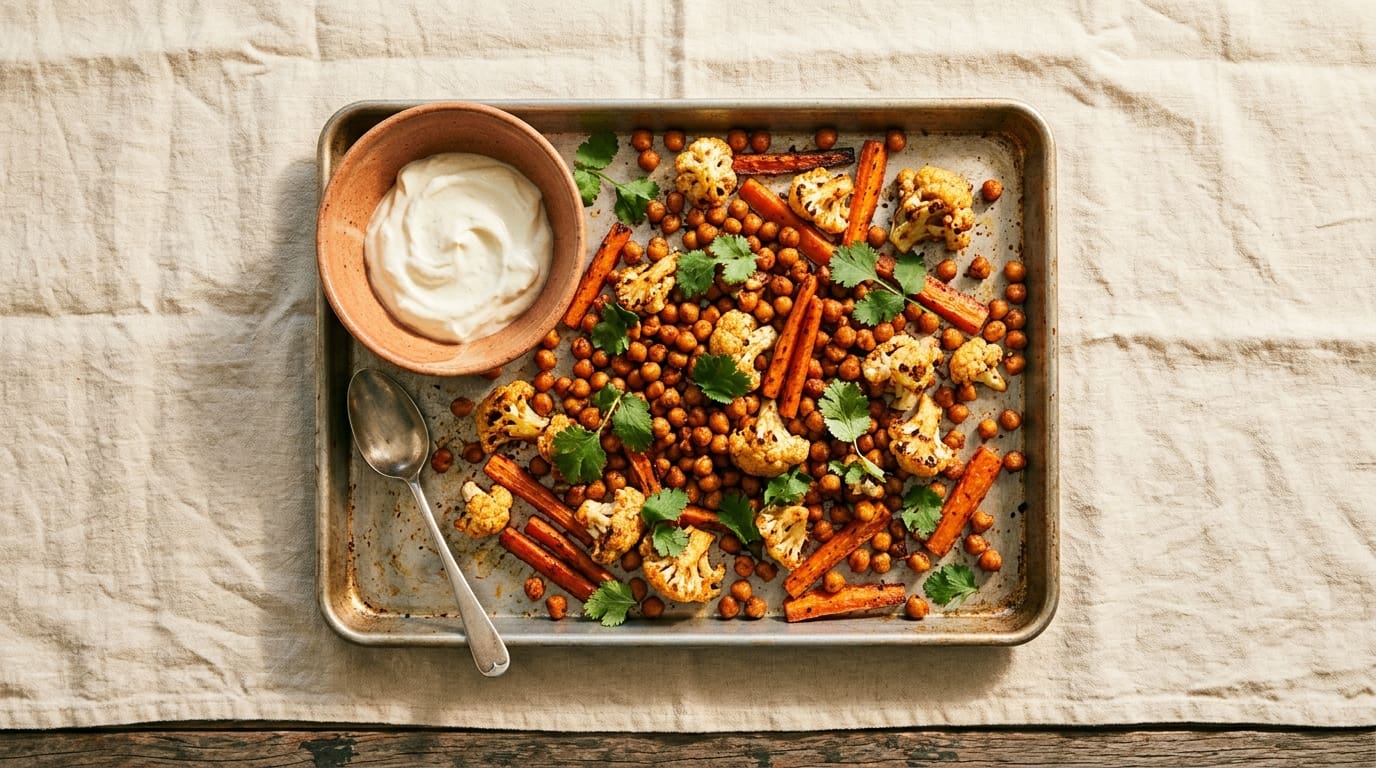
Sheet Pan Harissa Chickpeas with Roast Veg
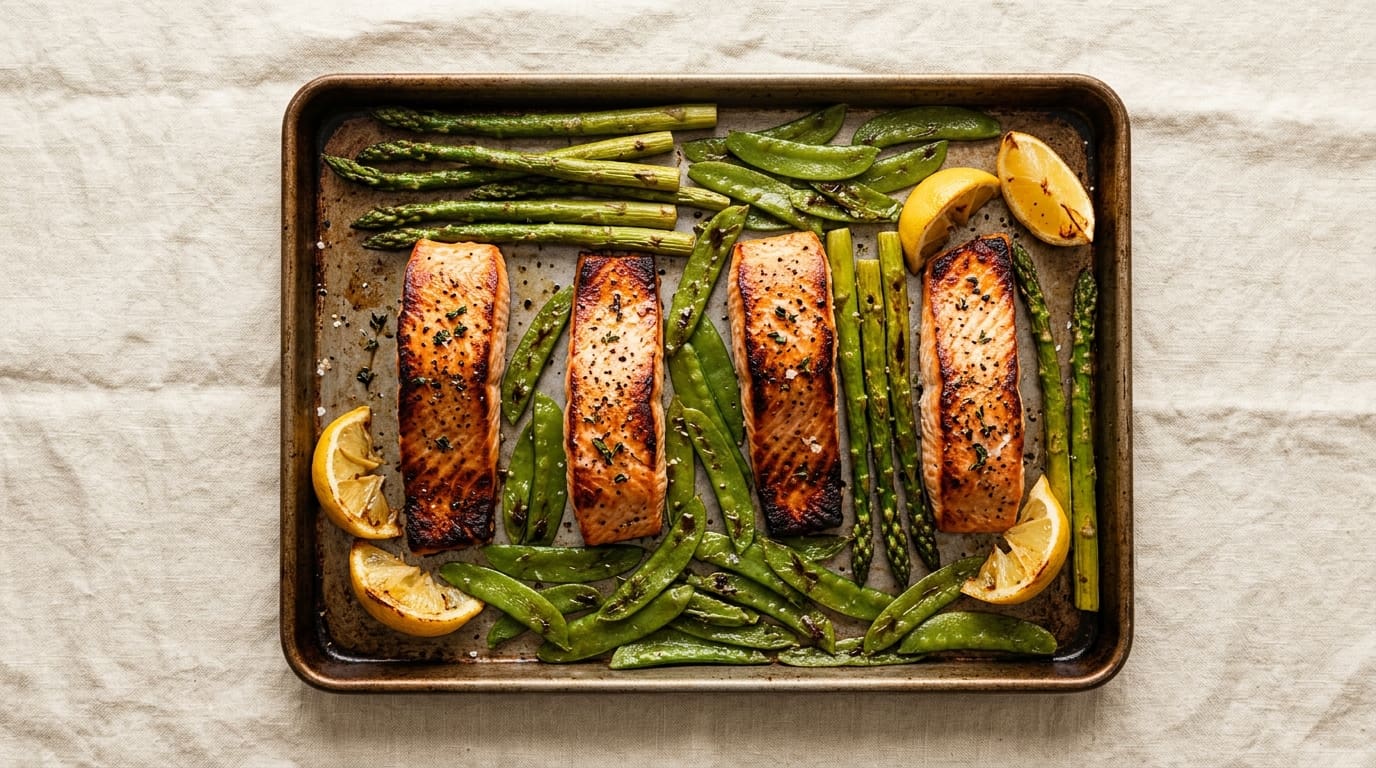
Sheet Pan Salmon and Greens
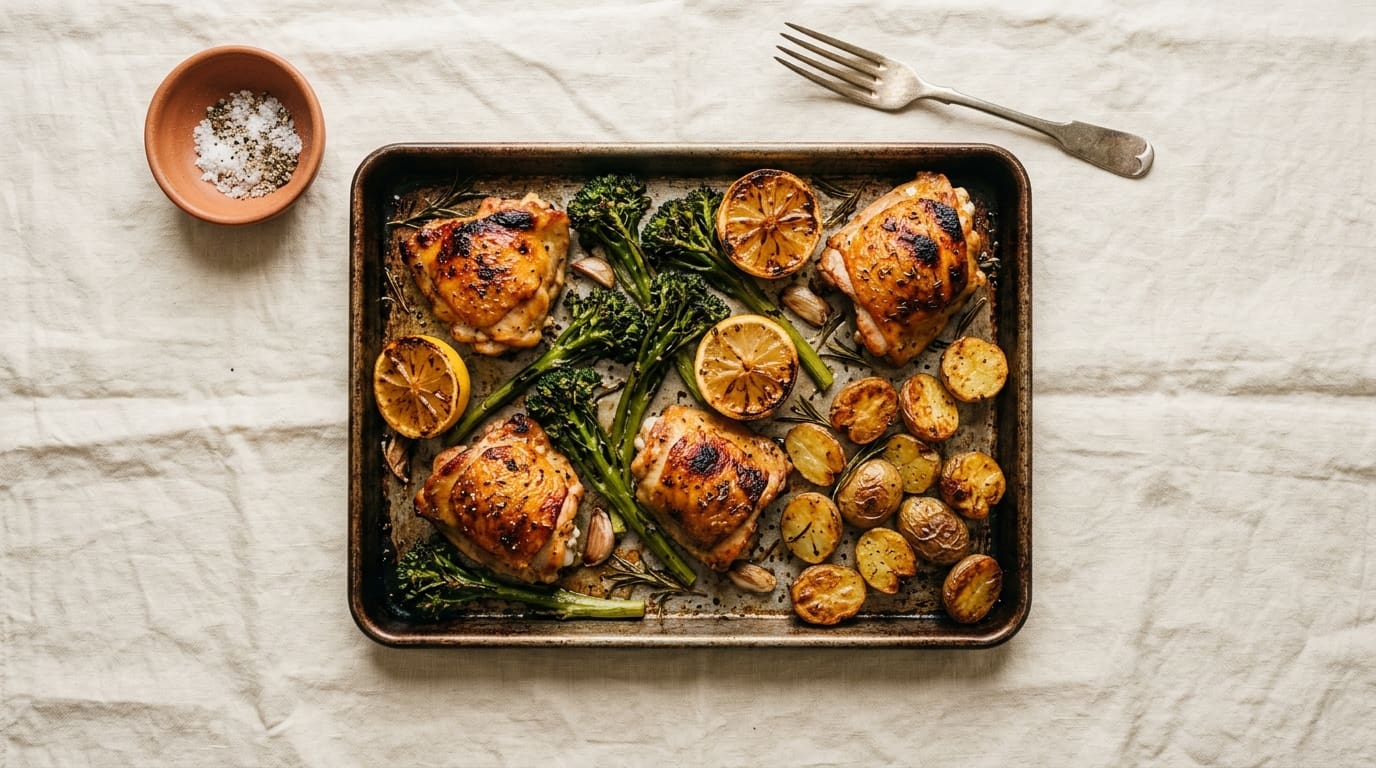
Sheet Pan Lemon Chicken and Vegetables
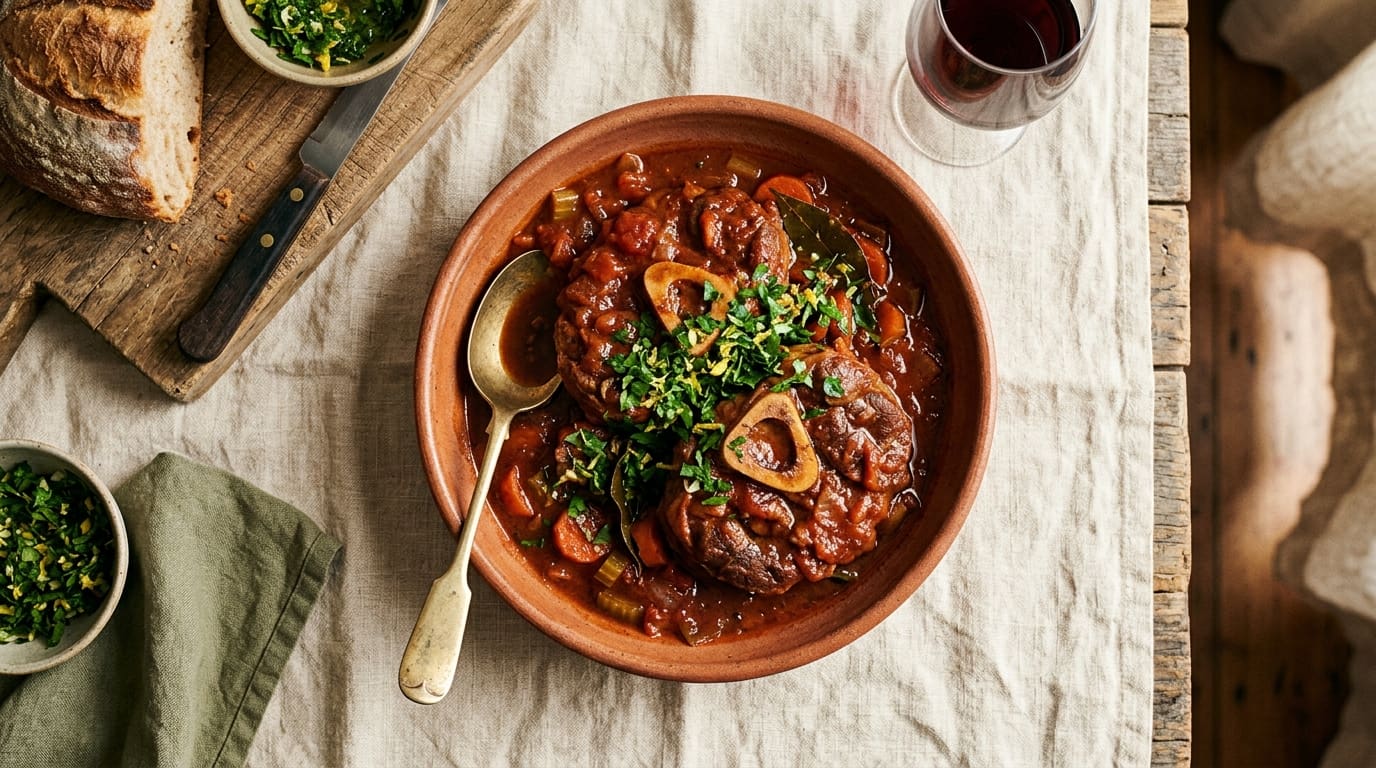
Slow Cooker Osso Buco
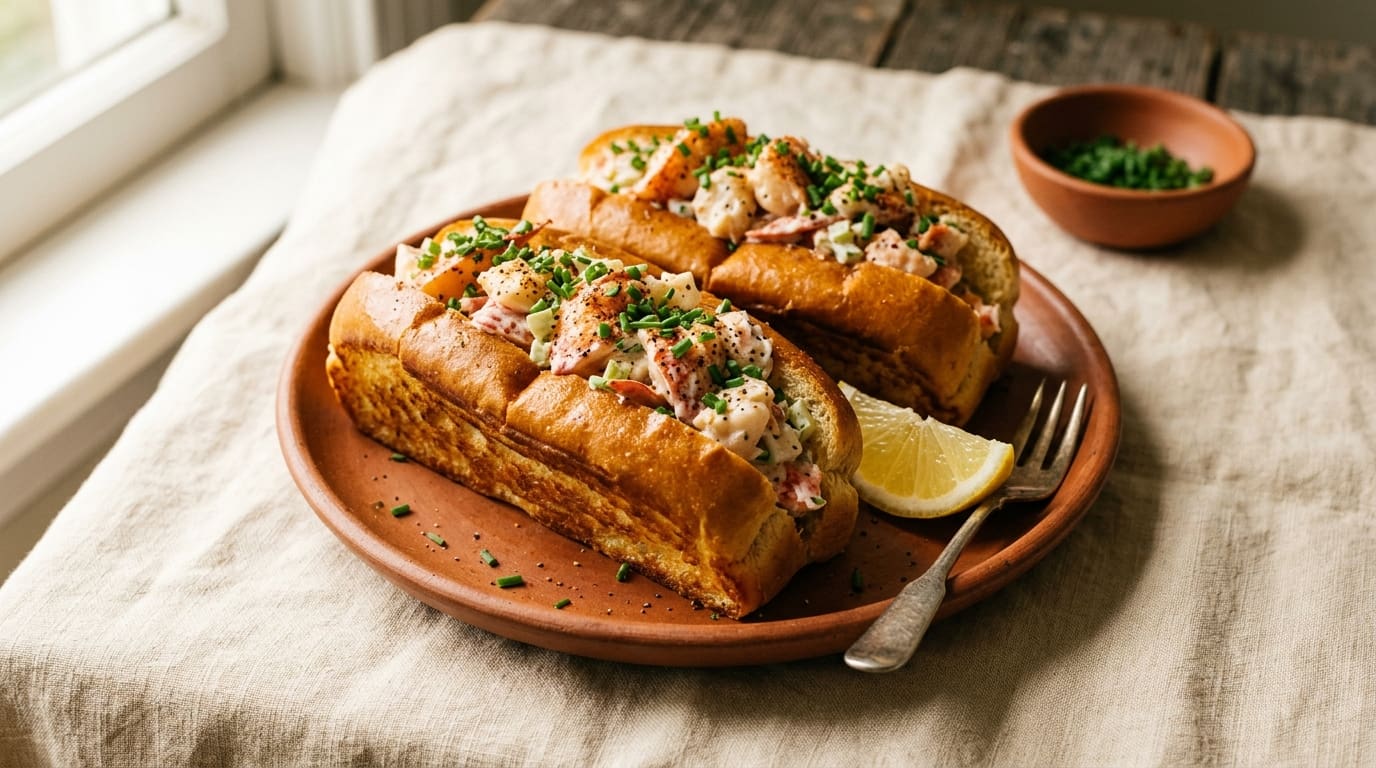
Lobster Rolls, Maine Style
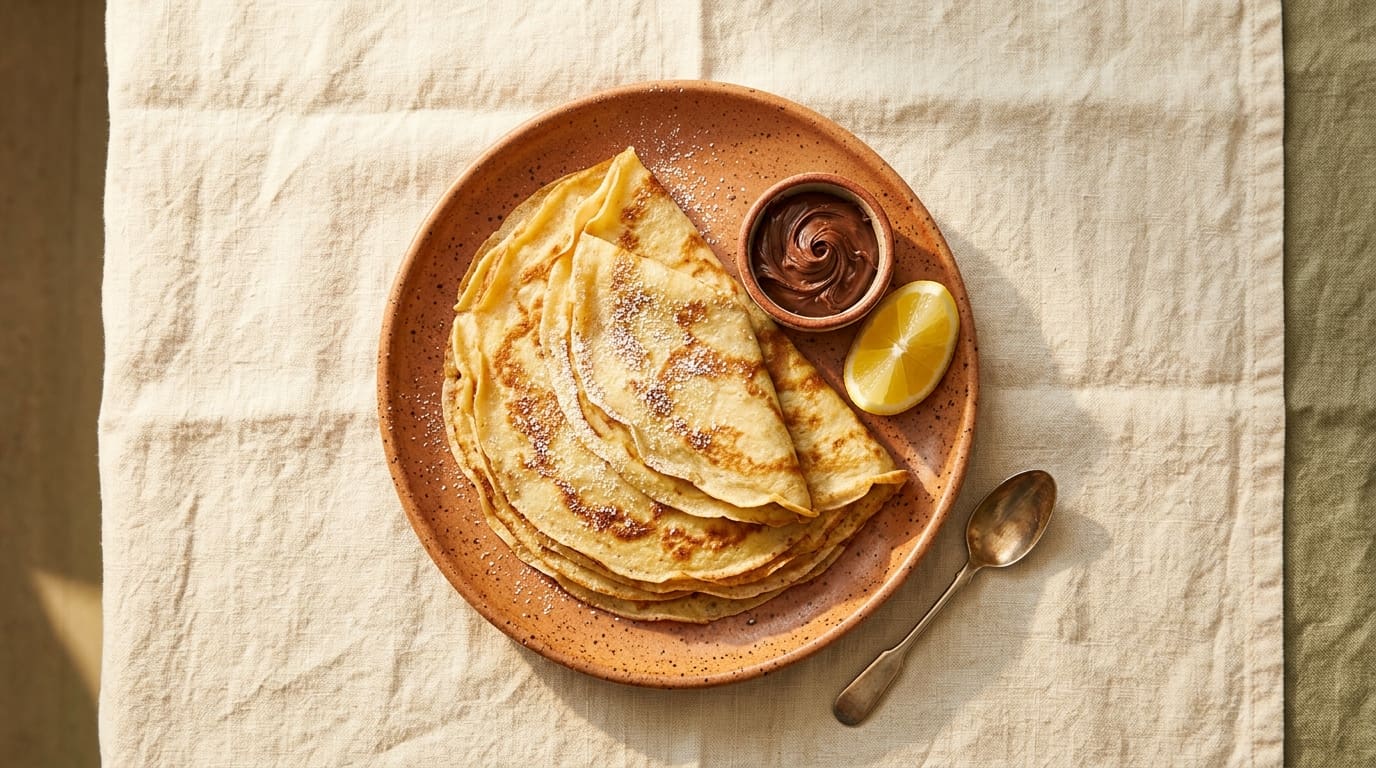
Classic French Crepes, Sweet or Savoury
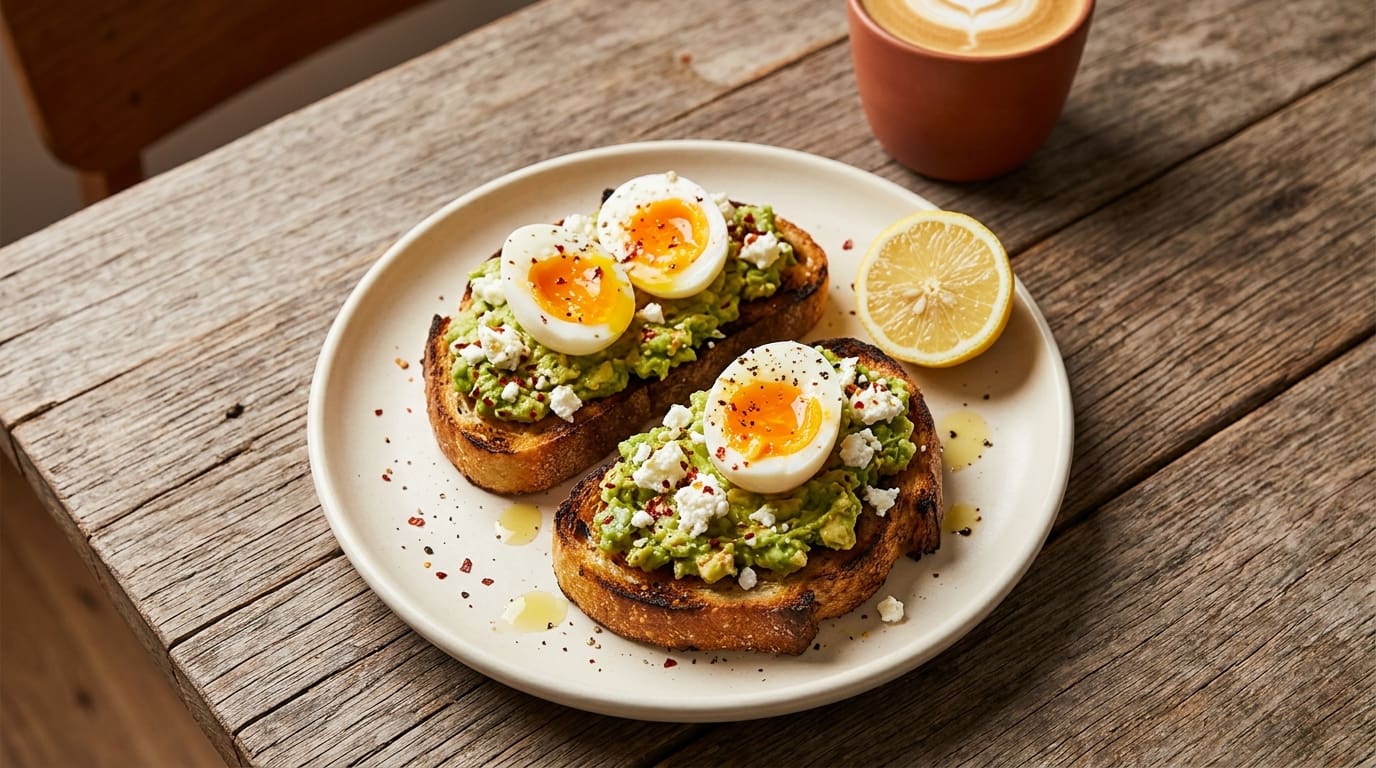
Smashed Avocado on Sourdough
Know what is in season
One email a month with the produce at its best and what to cook with it.
Lemon questions
How do you get more juice from a lemon?
Roll it firmly on the bench with your palm for 15 seconds, or microwave it for 10 seconds. Both break up the pulp inside. Room temperature lemons also give more juice than cold ones, so take it out of the fridge first.
How much juice is in one lemon?
An average lemon gives about 3 tablespoons (60 ml) of juice and about 1 tablespoon of zest. Thin-skinned and Meyer lemons give more juice, and small or old lemons give less. If a recipe needs a lot of juice, count on one lemon for every 60 ml.
What is the difference between a lemon and a lime?
Lemons are yellow, larger, sharper and a little sweeter. Limes are green and smaller, with a more bitter, floral flavour. They swap in many recipes, but a lemon curd or lemon cake made with lime tastes noticeably different.
Why is my lemon tree not fruiting?
Young trees often take 2 to 3 years to fruit. After that the usual causes are too little sun, too little feeding or heavy pruning in spring. Citrus needs at least 6 hours of sun a day. Our Planting Season guide covers pots, pruning and feeding.