
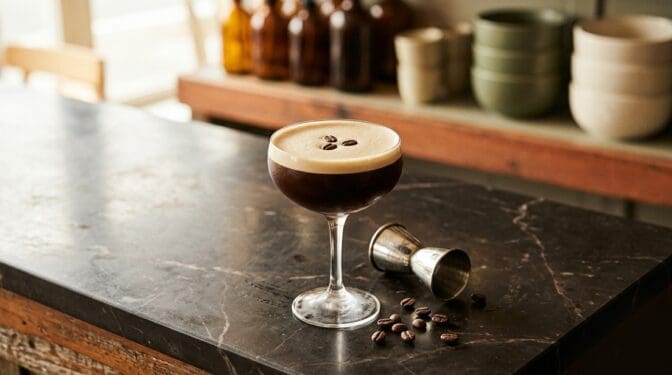
The Espresso Martini is Australia’s dessert cocktail.
Why you are pouring this tonight
The Espresso Martini is Australia’s dessert cocktail. You will argue with that statement, then you will think about the last three weddings you went to in Newrybar, the last four dinner parties in Brunswick, and the late-night order at every wine bar in Surry Hills, and you will concede.
It has quietly replaced the dessert wine, the port, the affogato, and in some cases the entire dessert course, because it is rich enough to end the meal and wakes you up enough to keep the night going past the point where someone suggests you should all watch a documentary. It was invented in London in the 1980s, allegedly by a bartender asked to make a drink that would “wake me up and then mess me up” by a model who knew exactly what she wanted. The drink has not stopped doing that job for forty years.
Drink it after dinner instead of dessert, or alongside a small rich plate. A wedge of Brunetti tiramisu, a slice of dark chocolate tart, a single square of Loving Earth sea-salt chocolate. The bitter coffee foam matches bitter cocoa perfectly, and the vodka keeps the whole thing feeling cold and awake rather than heavy. One per person. Two if dinner went long.
What you need
- 45 ml vodka. Anything clean and neutral. This is not the drink to save your premium bottle for.
- 30 ml coffee liqueur. Kahlua is the benchmark. Mr Black (the Australian-made coffee liqueur from Erina on the Central Coast) is the upgrade, and pushes the drink from good to excellent. The difference is noticeable.
- 30 ml fresh, strong espresso. This is the ingredient that matters most. Freshly pulled from a machine, or a strong moka pot brew. Instant coffee will not work. Plunger coffee is a stretch. A long black from the cafe downstairs bought five minutes before you make the drink is a legitimate shortcut.
- Three coffee beans. For the garnish. Supposedly represent health, wealth and happiness, which is a better sales pitch than most garnishes get.
- A small splash of simple syrup (equal parts sugar and water, shaken with warm water until dissolved). Optional. Adds half a teaspoon of sweetness which helps the foam hold. Many recipes use 10 to 15 ml.
How to make it
- Chill your glass. A coupe or a small martini glass. Fill it with ice and a splash of cold water while you build the drink. Cold glass is not optional here, it is how you get the foam to last.
- Pull the espresso. Fresh, hot, strong. If you have a machine, pull a 30 ml single shot and use it immediately. If you are using a moka pot, brew on medium heat so it does not scald.
- Add everything to the shaker. Vodka, coffee liqueur, hot espresso, and the simple syrup if using. Fill the shaker with ice.
- Shake hard. Harder than you think. 20 seconds of genuine effort. The hot espresso hitting the cold ice is what creates the thick, creamy foam on top, and only hard shaking gets you there.
- Double strain. Through both the shaker strainer and a fine mesh sieve, into the chilled glass. This catches ice chips and leaves a clean, glossy layer of foam.
- Garnish. Three coffee beans dropped gently onto the foam in a triangle.
Five occasions that make this drink sing
- After a rich pasta dinner. Carbonara, bolognese, anything cream or meat heavy. The cocktail replaces dessert entirely, and nobody leaves feeling stuffed.
- Chocolate tart or flourless chocolate cake. The classic pairing. Bitter coffee on bitter cocoa is one of the great flavour combinations. Serve both at room temperature.
- Brunch with a long lazy reputation. Two Espresso Martinis and a plate of eggs at 11 am on a Saturday is a legitimate Australian ritual at this point. No notes.
- Tiramisu, for drama. Serve the cocktail next to the tiramisu for peak coffee-on-coffee. This is maximalism, and it works.
- Cheese boards with aged hard cheese. Sleeper pairing. A wedge of aged parmesan or manchego with this cocktail is surprisingly excellent. The salt and umami in the cheese cuts the sweetness.
Three variations worth knowing
Same frame, different paint.
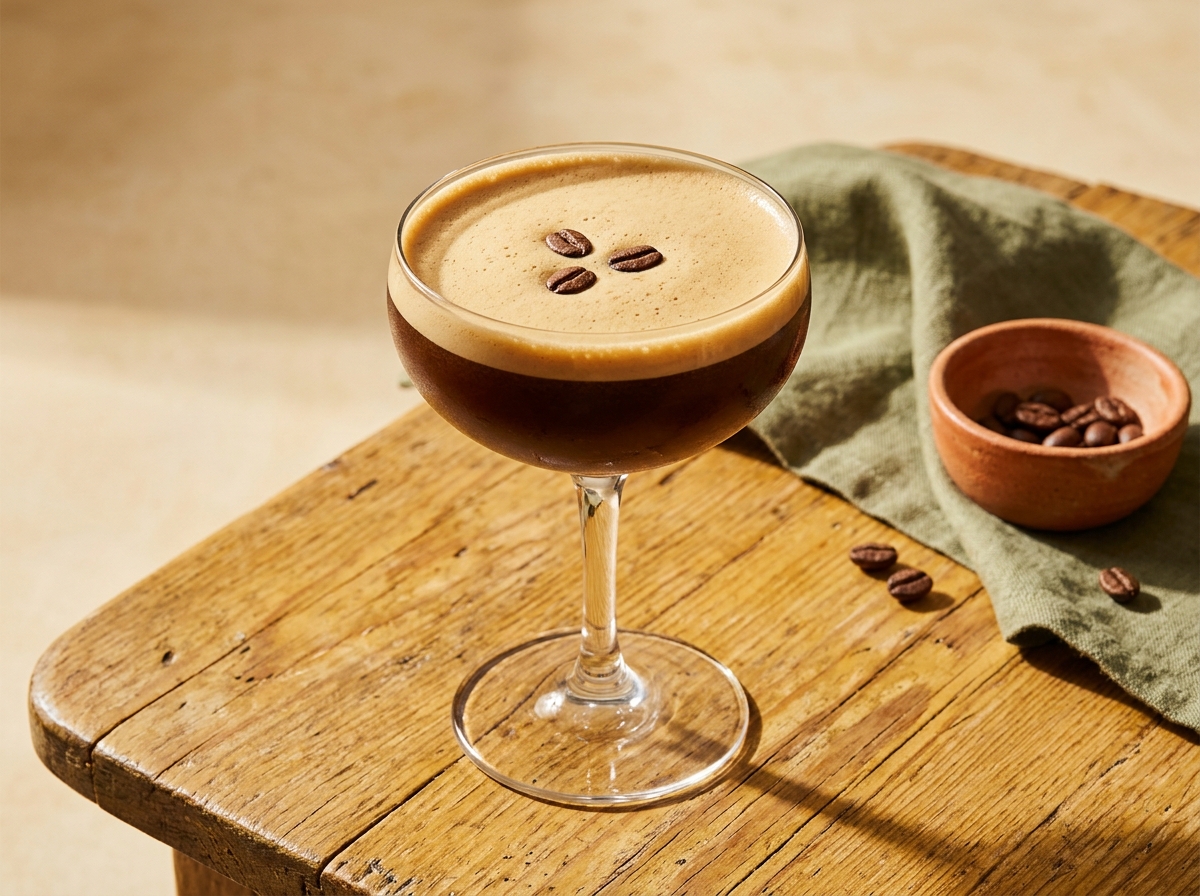
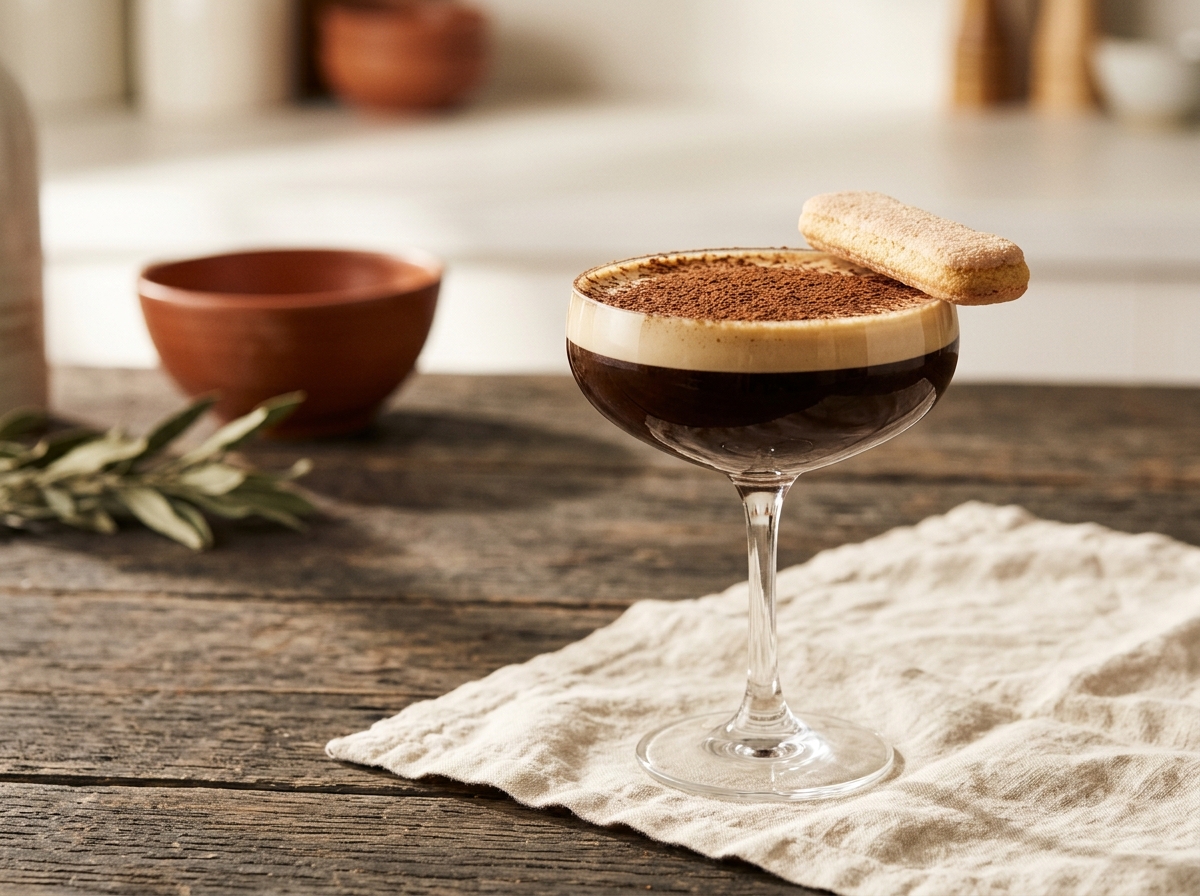 Tiramisu Espresso Martini cocktail variation” loading=”lazy” />
Tiramisu Espresso Martini
Swap coffee liqueur for Frangelico. Hazelnut leans into the dessert.
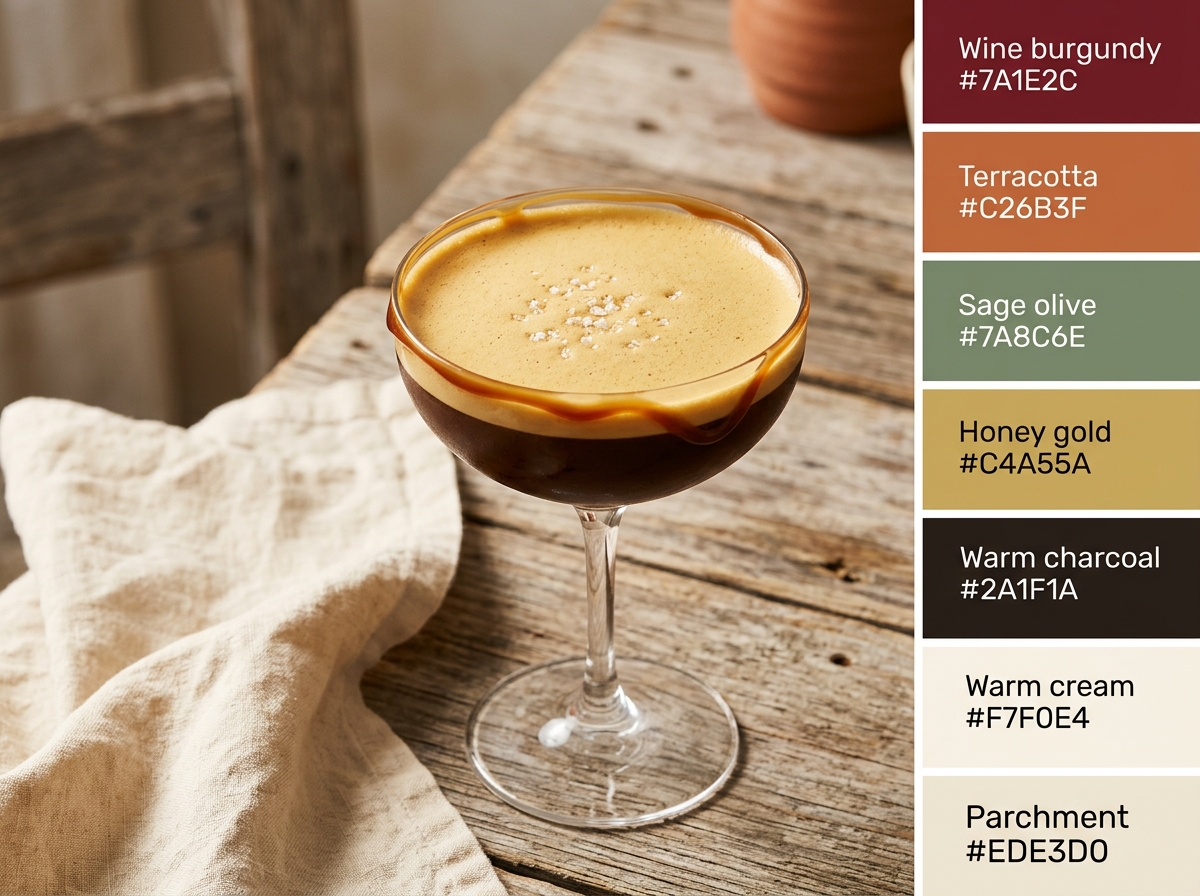 Salted Caramel Espresso Martini cocktail variation” loading=”lazy” />
Salted Caramel Espresso Martini
Add 10 ml caramel syrup and a pinch of flaky salt on the foam.
Bottles worth buying for this
The single biggest upgrade you can make is swapping Kahlua for Mr Black. It costs more (around $60 a bottle) but it is made in New South Wales with cold-brew coffee rather than coffee extract, and the flavour difference is instant. If you pour Espresso Martinis at every second dinner, buy it.
Vodka can be unremarkable. Absolut, Ketel One, or a local Australian vodka like Archie Rose all work perfectly well. The espresso and coffee liqueur are doing the work.
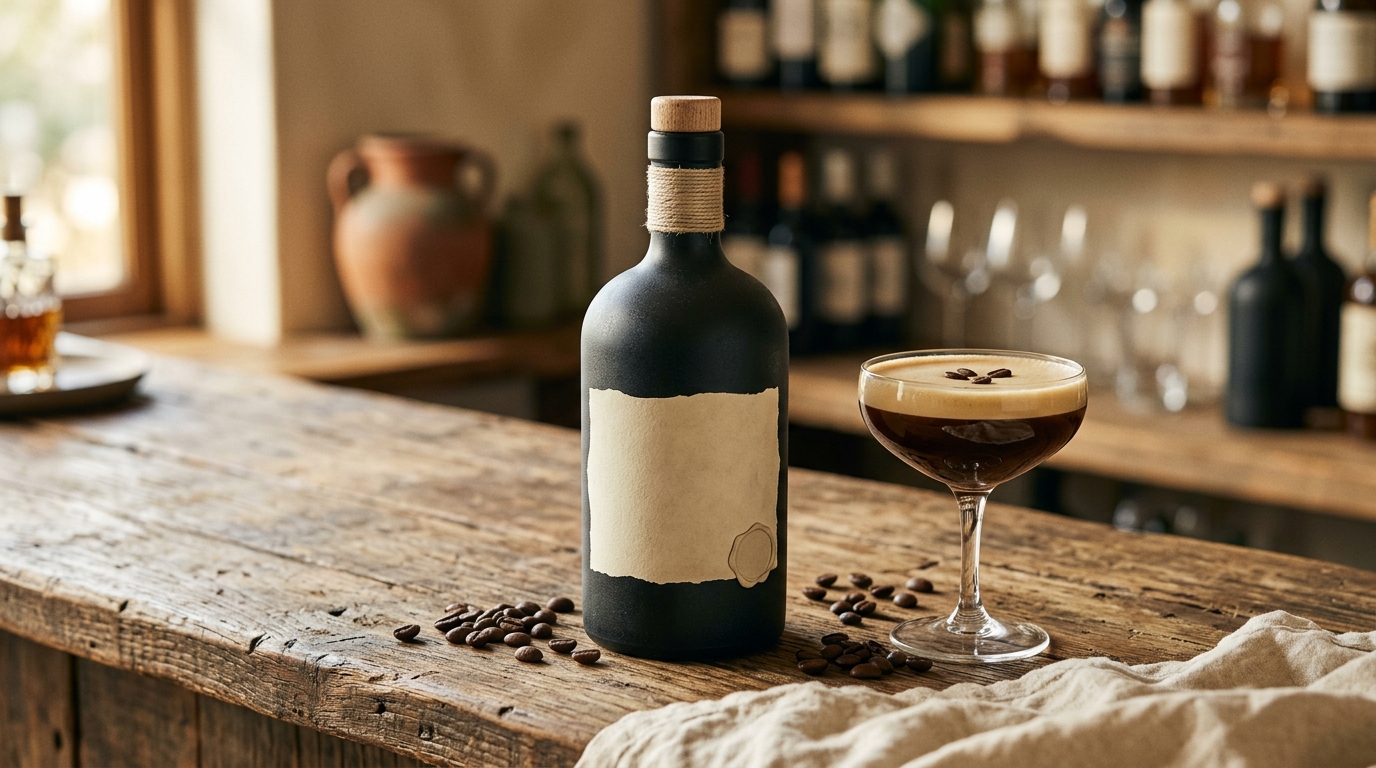
Mr Black Cold Brew Coffee Liqueur
The single biggest upgrade you can make to a home Espresso Martini. Made on the NSW Central Coast with cold-brewed Arabica beans. Tastes like coffee, not coffee-flavoured anything. Worth the extra $20 over Kahlua.
Read more →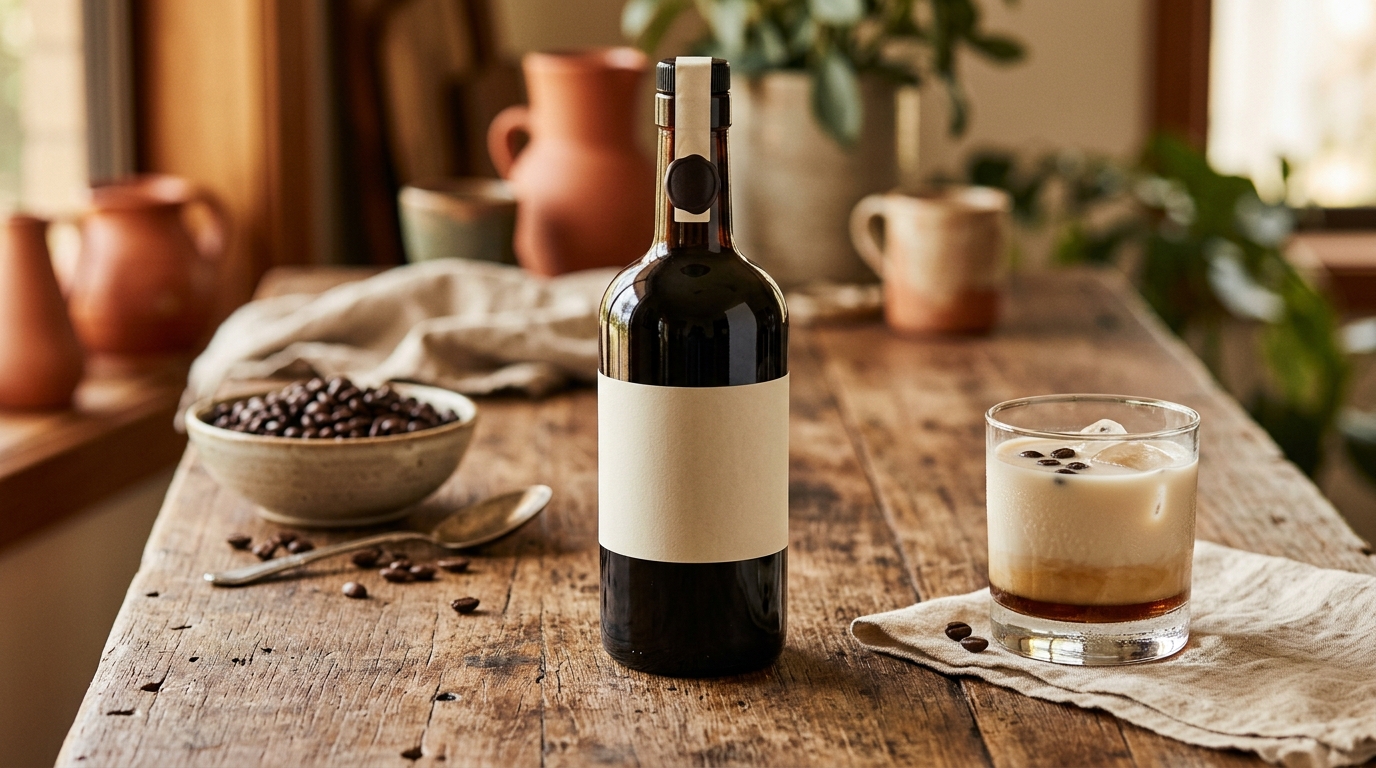
Kahlua
The classic Espresso Martini coffee liqueur. Sweeter and more vanilla-forward than Mr Black. Still the bottle most recipes call for, still perfectly serviceable, and a sensible budget pick for anyone mixing once a month.
Read more →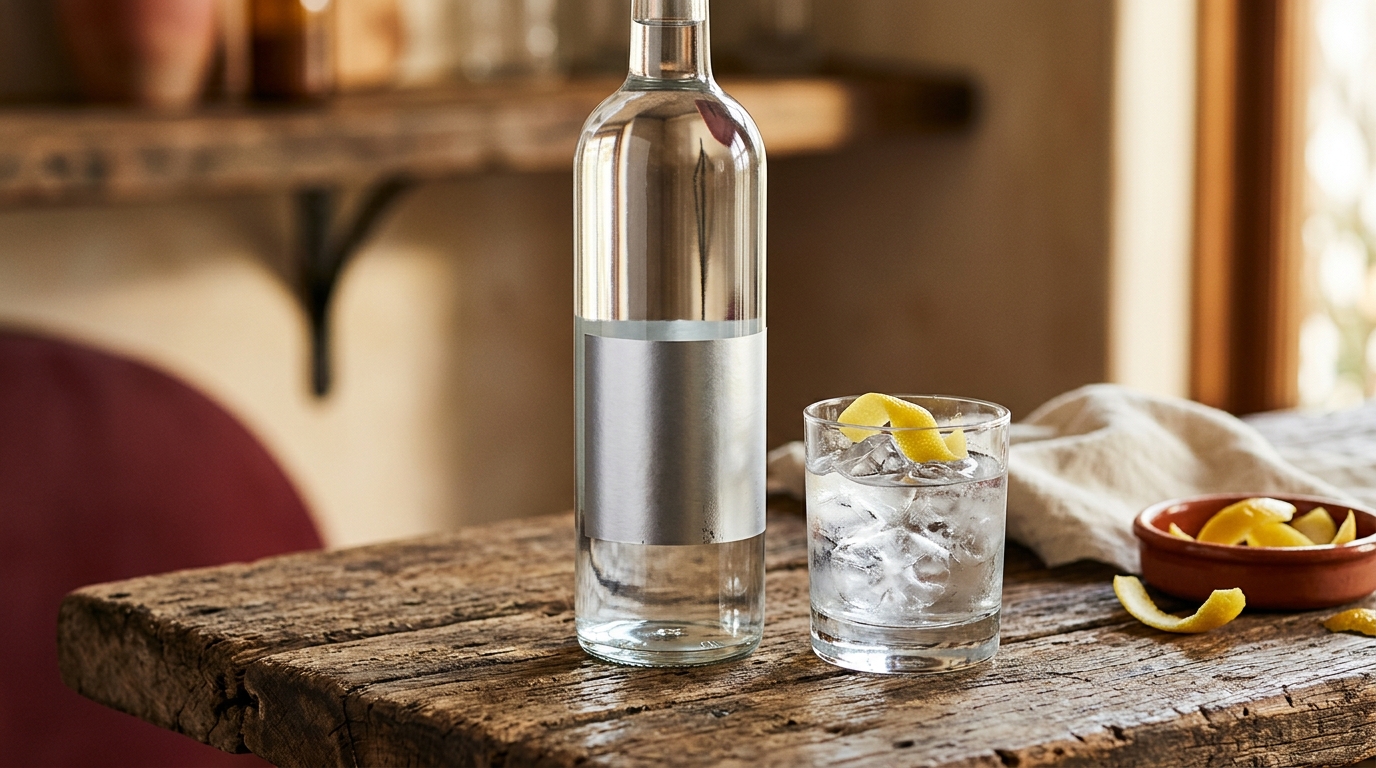
Absolut Vodka
The working vodka. Clean, unflashy, slightly grainy in a good way. In an Espresso Martini the coffee and liqueur are the stars and Absolut is the stage. At under $55 a bottle it earns its place behind every shaker.
Read more →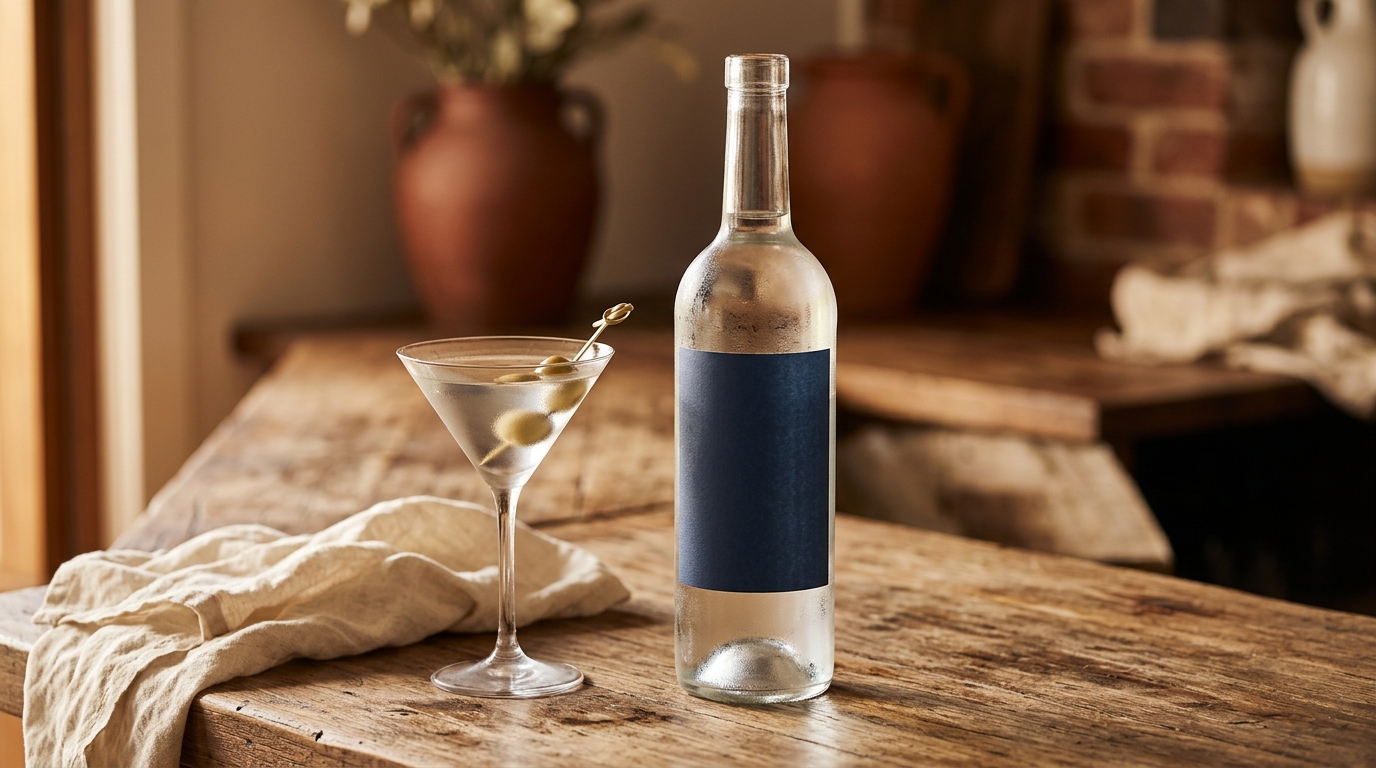
Ketel One Vodka
The grown-up vodka upgrade. Dutch wheat, copper pot still, slightly rounder mouthfeel than Absolut. Makes an Espresso Martini with more weight and also earns a neat pour in a cold martini glass when you feel like one.
Read more →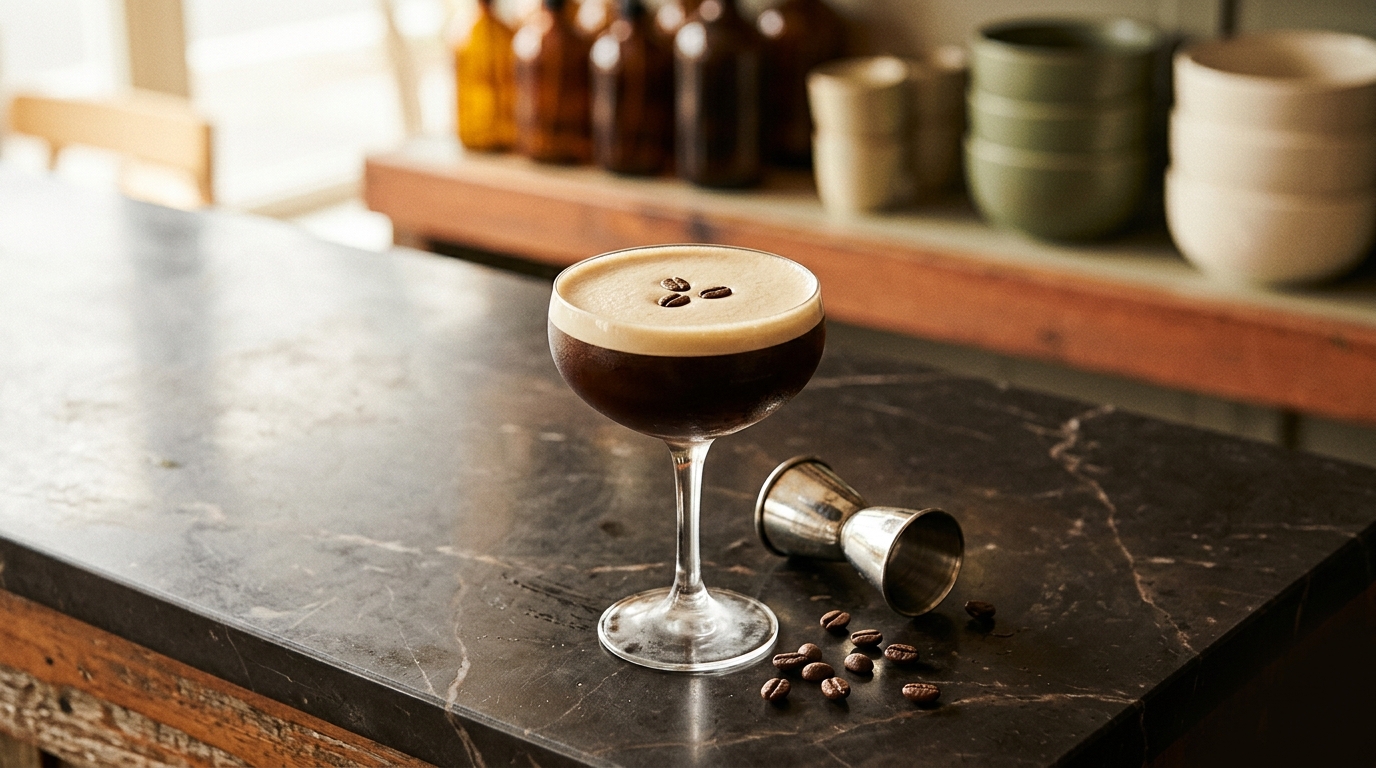
Espresso Martini
Ingredients
Method
- Chill a coupe or martini glass in the freezer for 10 minutes.
- Pull a fresh shot of espresso. Hot espresso is what gives you the crema on top.
- Combine vodka, coffee liqueur, hot espresso and syrup in a shaker with a big scoop of ice.
- Shake hard for 20 seconds. Strain into the chilled glass.
- Float three coffee beans on the foam. Serve immediately.
Notes
You might also like
Cocktail
Rye Honey Flip
Why you are pouring this tonight The Rye Honey Flip is the old-school flip, which means whole egg, not just the white. Rye, honey syrup, whole egg, nutmeg…
Read the recipe →
Cocktail
Fig & Honey Old Fashioned
Autumn Old Fashioned. Why you are pouring this tonight The Fig and Honey Old Fashioned is the Old Fashioned for the four weeks of autumn when fresh figs…
Read the recipe →
Cocktail
Honey Tequila Sour
The Whisky Sour template with reposado tequila and honey syrup. Why you are pouring this tonight I'd like to say this drink came from a bartender on Calle…
Read the recipe →
Cocktail
Honey French 75
The French 75 with honey syrup in place of simple. Why you are pouring this tonight The Honey French 75 is the French 75 with honey syrup in…
Read the recipe →