A field guide to Australian wine, region by region, grape by grape, with forty bottles worth knowing and the food they belong with.
Australian wine, in one read
Australia makes more wine than its eighteen million-odd people can drink, which is fortunate because most of it is exceptional. The country’s wine map runs the length of the southern coast and inland into the cool-climate ranges. South Australia’s Barossa Valley grows some of the oldest shiraz vines on earth, planted by German Lutheran settlers in the 1840s and never replaced. Margaret River in Western Australia is the cabernet and chardonnay belt. Tasmania, an island in the Roaring Forties, has become Australia’s pinot noir and sparkling-wine answer. The Hunter Valley, two hours north of Sydney, makes a leathery semillon found nowhere else.
The two grapes that built modern Australian wine are shiraz and chardonnay. Shiraz here is rounder and deeper than the syrah of the Northern Rhone, with riper fruit, supple tannin, often a hint of eucalypt or chocolate. Chardonnay swung from heavily oaked late-90s Australia to the lean Burgundian school of the last fifteen years; the best are now somewhere in between. Both grow well across the country and are the safest place to start when you do not know what to drink.
Beyond the big two, the country has settled into its niches. Eden Valley riesling is bone-dry and lime-lifted. Yarra Valley pinot noir is bright and fragrant. Adelaide Hills sauvignon blanc is crisper than anything Marlborough makes. Mornington Peninsula does serious chardonnay and pinot. Clare Valley has become quietly the country’s best riesling district. Hunter semillon, drunk young, is tart and citrussy; drunk at fifteen, it tastes of toast and lanolin and is one of the great white wines of the world.
How to think about Australian wine in a glass
Australia is hot, dry, and sunny enough that almost any grape ripens. The challenge has always been freshness. The best Australian winemaking of the last twenty years has been about pulling things back: harvesting earlier, using less new oak, picking cooler-climate sites, fermenting whole-bunch for lift. The result is a country making wines that are bright, balanced, and ready to drink earlier than they used to be. The rule of thumb: pay $25 to $40 for a wine you will remember; pay $80 for a wine that will outlast you.
Pairing Australian wine with Australian food
Shiraz with anything off the barbecue (snags, lamb, beef ribs, even a hard-grilled mushroom). Chardonnay with seafood, roast chicken, anything in cream sauce. Riesling with anything spicy or sour: Thai green curry, Vietnamese rice paper rolls, ceviche, fish and chips with vinegar. Pinot noir with duck, mushroom, soft cheese, charcuterie. Cabernet with red meat in a tomato or red wine sauce. Sparkling wine with everything fried, anything salty, and most cheeses. Sweet sticky wines (botrytis semillon, muscat) with blue cheese and sticky date pudding.
Forty Australian (and a few imported) wines worth knowing
Curated bottles, organised the way they sit on a good cellar shelf: by region and variety, with what to drink them with.
Penfolds Bin 28 Kalimna Shiraz
Barossa Valley, SA · $30-$45
Yalumba The Signature Cabernet Shiraz
Barossa Valley, SA · $70-$90
Henschke Mount Edelstone Shiraz
Eden Valley, SA · $200-$280
d’Arenberg The Dead Arm Shiraz
McLaren Vale, SA · $80-$110
Hentley Farm The Beauty Shiraz
Barossa Valley, SA · $60-$80
Tolpuddle Vineyard Pinot Noir
Coal River Valley, TAS · $80-$110
Kooyong Haven Pinot Noir
Mornington Peninsula, VIC · $75-$100
Paringa Estate The Paringa Pinot Noir
Mornington Peninsula, VIC · $80-$100
By Farr Side By Side Pinot Noir
Geelong, VIC · $70-$90
Vasse Felix Filius Cabernet Sauvignon
Margaret River, WA · $30-$45
Moss Wood Cabernet Sauvignon
Margaret River, WA · $110-$140
Cape Mentelle Cabernet Merlot
Margaret River, WA · $45-$60
Spinifex Papillon Grenache
Barossa Valley, SA · $30-$45
Yangarra Old Vine Grenache
McLaren Vale, SA · $50-$65
Leeuwin Estate Art Series Chardonnay
Margaret River, WA · $110-$150
Yabby Lake Single Vineyard Chardonnay
Mornington Peninsula, VIC · $50-$70
Giant Steps Yarra Valley Chardonnay
Yarra Valley, VIC · $45-$60
By Farr Chardonnay
Geelong, VIC · $70-$95
Grosset Polish Hill Riesling
Clare Valley, SA · $50-$70
Knappstein Clare Valley Riesling
Clare Valley, SA · $25-$35
Pewsey Vale Eden Valley Riesling
Eden Valley, SA · $25-$35
Shaw + Smith Sauvignon Blanc
Adelaide Hills, SA · $25-$35
Domaine Naturaliste Floris Chardonnay
Margaret River, WA · $45-$60
By Farr Viognier
Geelong, VIC · $70-$95
Ravensworth Pinot Gris
Murrumbateman, NSW · $30-$45
Turkey Flat Rosé
Barossa Valley, SA · $25-$35
De Bortoli Noble One
Riverina, NSW · $45-$60
Seppeltsfield 21 Year Old Tawny
Barossa Valley, SA · $80-$110
Morris Old Premium Rare Muscat
Rutherglen, VIC · $130-$160
Lillet Blanc
Bordeaux, France · $30-$45
Cocchi Americano
Asti, Italy · $35-$50
Punt e Mes Vermouth
Turin, Italy · $35-$50
House of Arras Grand Vintage
Tasmania · $70-$95
Jansz Tasmania Premium Cuvée
Tasmania · $28-$40
Stoke & Skye Cuvée
Adelaide Hills, SA · $35-$45
Veuve Clicquot Yellow Label Brut
Reims, Champagne · $95-$130
Billecart-Salmon Brut Réserve
Mareuil-sur-Aÿ, Champagne · $110-$140
Chandon Brut
Yarra Valley, VIC · $22-$30
Deutz Marlborough Cuvée
Marlborough, NZ · $30-$40
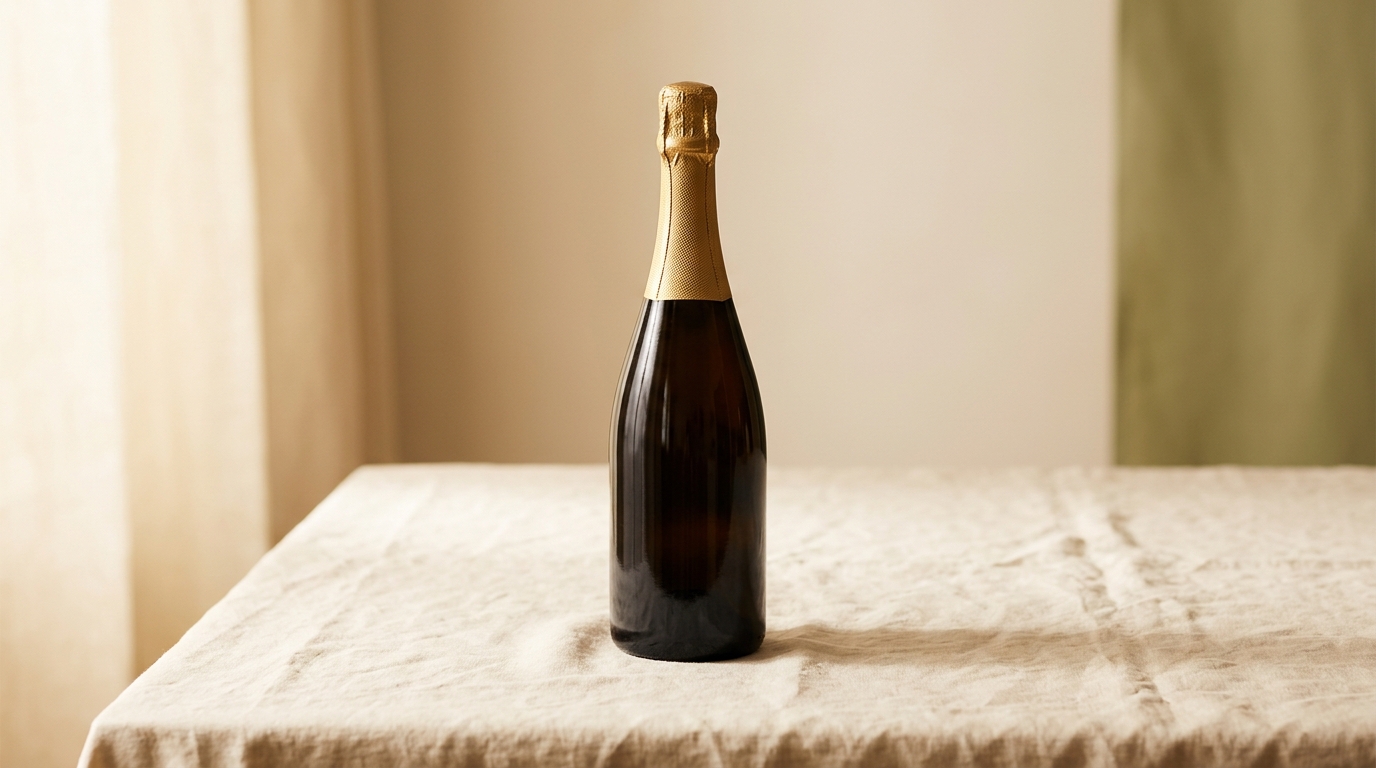
Moët & Chandon Impérial Brut
Épernay, Champagne · $80-$110
How to buy Australian wine well
Decide budget before brand. Anything between $20 and $40 will buy you something worth drinking from a serious producer. Below $15 and you are in supermarket-blend territory; above $80 should reward patience. Do not pay for the label; pay for the region.
Buy by region, not variety. Australian wine works best when you anchor on place: Barossa shiraz, Eden riesling, Tasmania pinot, Margaret River chardonnay. Once you know the regions you like, vary the producer. The producer is the chef; the region is the cuisine.
Old vines matter. Anything labelled “old vine” in the Barossa is genuinely old (often 80 to 130 years). The country has the longest unbroken planting of vinifera vines anywhere. The fruit is more concentrated and the wines age longer. It is one of the few wine claims that means what it says.
Drink it within five years unless told otherwise. Most Australian wine is built for early drinking. The exceptions worth cellaring: Barossa shiraz, Eden riesling, Coonawarra cabernet, Hunter semillon, and the Penfolds Bin range. Everything else is best inside half a decade.
Frequently asked: Australian wine
What is the most popular Australian wine?
Shiraz from the Barossa Valley remains the country’s signature wine. Penfolds Grange is the famous flagship, but Bin 28, Torbreck, Henschke and Yalumba all make excellent versions at every price point. Chardonnay from Margaret River and Yarra Valley is a close second.
What is the difference between Australian shiraz and French syrah?
They are the same grape but the climates produce very different wines. French syrah from the Northern Rhone is more peppery, leaner, with savoury cured-meat notes. Australian shiraz is rounder, riper, with more dark chocolate and softer tannin. Cool-climate Australian shiraz (Yarra, Adelaide Hills, Canberra) sits between the two.
How do I read an Australian wine label?
Look for the region first (Barossa Valley, Margaret River, Tasmania), then the variety, then the vintage. Australian labels are required to disclose alcohol percentage and standard drinks. Anything labelled “South Eastern Australia” without a specific region is usually entry-level multi-region blend.
How long should I cellar Australian wine?
Most Australian wine is built for drinking within three to five years. Wines worth cellaring 10+ years: Barossa shiraz from Penfolds, Henschke, Torbreck or Rockford; Eden Valley riesling; Coonawarra cabernet from Wynns or Parker; Hunter semillon from Tyrrell’s; Tasmanian pinot from House of Arras or Tolpuddle.
What temperature should I serve Australian wine?
Reds at 16-18C (slightly below room temperature, never warm). Whites and roses at 8-12C (out of the fridge for 15 minutes before pouring). Sparkling wine at 6-8C (straight from the fridge). Sweet wines at 8-10C. The biggest mistake is serving Australian shiraz too warm; 22C and the alcohol overwhelms everything.
What food pairs best with Barossa shiraz?
Anything off the barbecue, especially lamb or beef. Slow-cooked stews, ragu, osso buco. Hard cheeses (cheddar, parmesan). Spiced dishes with cumin and pepper. Avoid delicate seafood, fresh salads, or anything with a strong vinegar dressing.
Is Australian wine vegan?
Increasingly yes. Most large producers have gone vegan-friendly in the past decade by replacing isinglass and egg-white fining with bentonite clay or vegetable-derived alternatives. Look for “vegan” or “vegan friendly” on the back label.