
Six to eight hours unattended. Dinner ready when you walk in. The Australian guide to slow-cooker dinners worth coming home to.
- The definitive section
- The 6 recipes
- Frequently asked questions
Why slow cookers belong in every kitchen
The slow cooker (also known as a Crock-Pot, the original American brand) is the most under-used appliance in the average Australian kitchen. Most people get one as a wedding present, use it twice, and store it in the back of the cupboard. That is a tragedy. A 6L slow cooker, used properly, will pay for itself in cheap-cut transformations within two months.
The principle is simple: low, even heat for long periods of time turns tough cuts of meat (chuck, shoulder, shin, oxtail) into tender, falling-apart, deeply-flavoured pieces of meat. The same cuts roasted at high heat go grey and chewy. The same cuts simmered on the stovetop need babysitting for three hours. The slow cooker does the babysitting for you.
Slow cooker rules we cook by
Brown the meat first. Yes, it’s an extra step. Yes, the slow cooker can technically do the whole thing without browning. But the maillard reaction, that deep crust you get from searing meat in a hot pan, is what separates proper slow-cooked food from grey-meat soup. Five minutes per side, then everything goes into the cooker.
Less liquid than you think. The slow cooker traps steam. Most recipes you find online use double the liquid you actually need. Fill to about a third up the meat, no more. Add more later if it dries out.
Don’t lift the lid. Every time you peek, you lose 20-25 minutes of cook time. Trust the recipe. Trust the cooker. Open it once at the end.
Add cream, milk, and fresh herbs at the end. Dairy splits if simmered for hours. Fresh herbs taste like grass clippings after eight hours. Stir these in during the last 30 minutes.
Reduce at the end if needed. If your slow-cooked dish looks watery when finished, transfer the liquid to a wide pan and simmer uncovered for 15-20 minutes. The result is a glossy, rich sauce.
Slow cooker low vs high
The temperature difference between low and high is roughly 95°C versus 110°C. Both are below boiling. The cooking effect is similar; the time is roughly halved on high. Most slow-cooker recipes are written for low (8 hours) and convert to high (4-5 hours). For tough cuts like shin or oxtail, low is always better; the long slow cook is what tenderises the connective tissue.
Slow cookers worth buying
Crock-Pot 6 Quart Programmable. The classic, available everywhere, around $80. Programmable timer means you can set it for 6 hours and have it switch to “warm” automatically. The reliable everyday slow cooker.
Breville the Slow Cooker With EasySear. Around $200. The lid lifts off and the inner pot can go onto a stovetop for the brown step. Saves washing a pan and saves a step.
Instant Pot Duo. Around $160. Doubles as a slow cooker, pressure cooker, rice cooker, yoghurt maker. The most versatile if you have limited cupboard space.
The recipes
Recipe
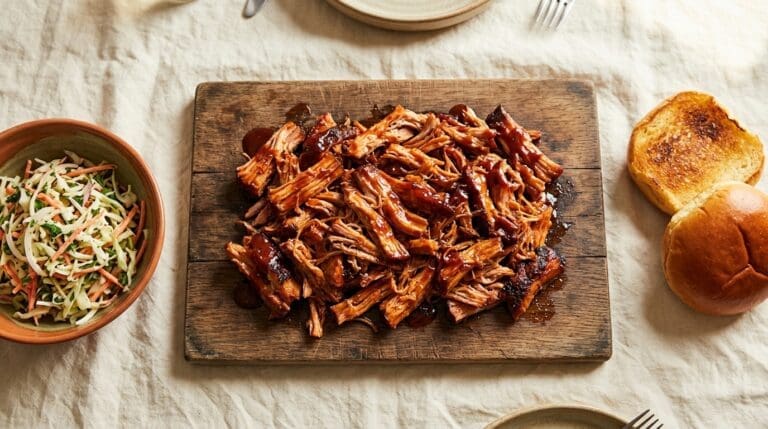
Slow Cooker Pulled Pork
Eight hours in a slow cooker turns a $25 pork shoulder into enough pulled pork for fourteen people. Why you should cook this Eight hours in a slow…
Read the recipe →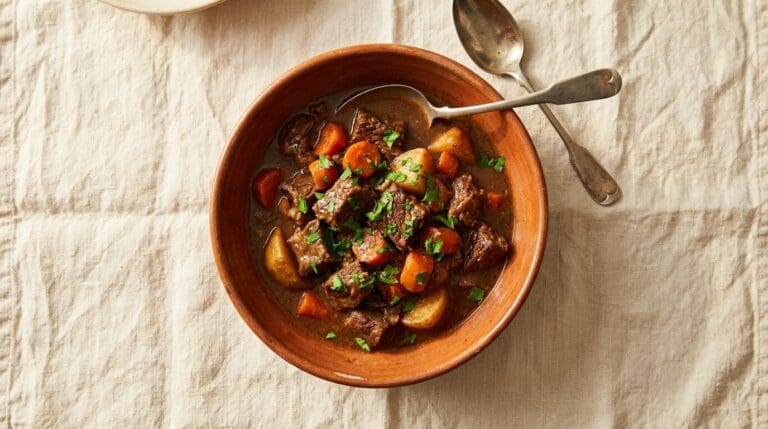
Recipe
Slow Cooker Beef Stew
Eight hours in the slow cooker turns chuck steak into the kind of beef that falls apart at the touch of a fork. Why you should cook this…
Read the recipe →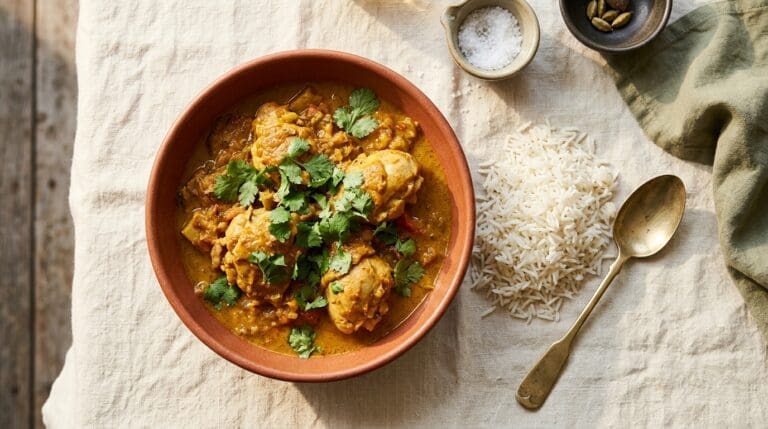
Recipe
Slow Cooker Chicken Curry
The Anglo-Indian curry. Why you should cook this The slow cooker chicken curry that earned its place in the regular rotation. Bone-in chicken thighs, two grated onions, a…
Read the recipe →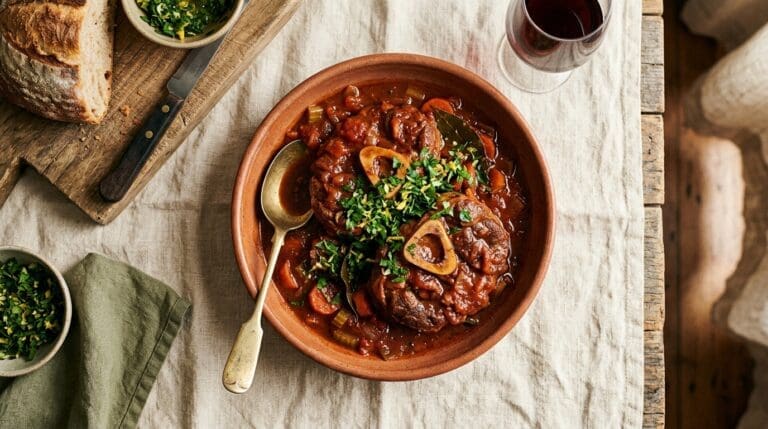
Recipe
Slow Cooker Osso Buco
The Milanese masterclass, simplified. Why you should cook this The Milanese masterclass made hands-off. Four veal shanks, each tied with kitchen twine so they hold their shape through…
Read the recipe →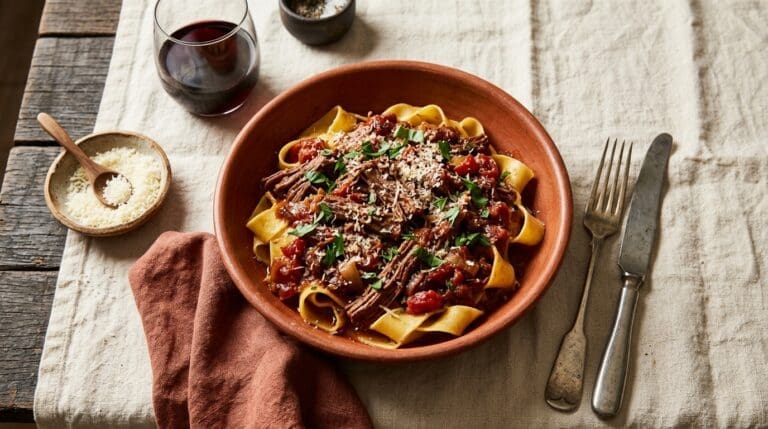
Recipe
Slow Cooker Beef Ragu (Pappardelle Sauce)
The proper Italian-American Sunday gravy. Why you should cook this Sunday gravy, the proper Italian-American version. A kilo and a half of beef chuck in five-centimetre pieces, browned…
Read the recipe →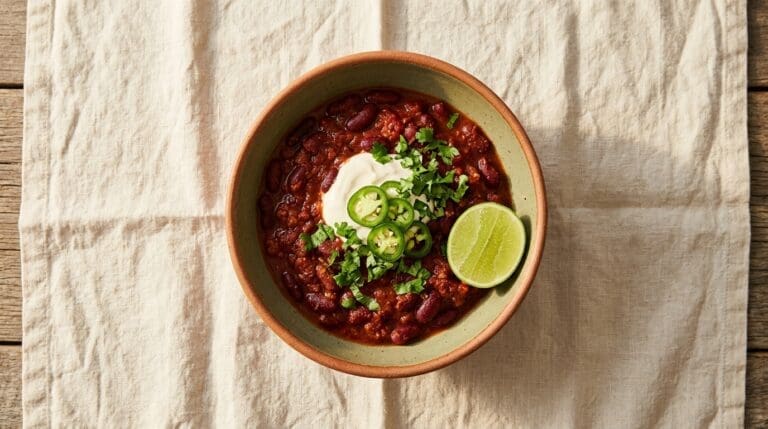
Recipe
Slow Cooker Chilli Con Carne
Mexican-American chilli that does the work overnight. Why you should cook this Mexican-American chilli that does the work overnight. A kilo of beef mince browned in a hot…
Read the recipe →Frequently asked questions
What’s the difference between low and high on a slow cooker?
Low cooks at around 95°C, high at around 110°C. Both are below boiling. High cooks roughly twice as fast as low. For tough cuts like shin, chuck, or oxtail that need long collagen breakdown, low is always better.
Do I need to brown meat before slow cooking?
You don’t have to, but you should. Browning takes 10 extra minutes and produces the maillard layer that gives slow-cooked food its depth. Skipping the brown is the difference between proper slow-cooked beef and grey-meat soup.
Can I leave a slow cooker on overnight?
Yes, slow cookers are designed to run unattended for 8-10 hours. Place yours on a heat-resistant surface, away from anything flammable, and use the low setting overnight. Most modern slow cookers have a ‘warm’ mode that kicks in automatically when the cook time finishes.
Why is my slow-cooked meat dry?
Three possible causes. You used the wrong cut (loin or breast goes dry; use shoulder, chuck, or thigh). You cooked too hot or too long (low for 8 hours, not high for 12). You didn’t have enough liquid (slow cookers trap steam but you still need 250-500mL).
Can I cook frozen meat in a slow cooker?
Food safety bodies (FSANZ in Australia) recommend against cooking frozen meat in a slow cooker because it spends too long in the bacterial danger zone (5-60°C). Always thaw first in the fridge.
Are slow cookers expensive to run?
No. A slow cooker uses about 200 watts on low, which costs roughly 6-8 cents per hour to run. Eight hours of cooking costs less than 60 cents in electricity, far less than running an oven for the same time.