
Cynar or Averna over ice, a bottle of premium tonic, a fat wheel of orange. Bitter, refreshing, low-ABV. The Italian alternative to a G&T.
Why you are pouring this tonight
The Amaro Tonic is the cocktail you order at a small wine-bar in Carlton or Newtown when you have decided you want something cold and bitter, but you do not want to commit to a full Negroni or another beer. It is a long drink, low in alcohol, easy to drink, and slightly esoteric in the way that makes the bartender nod approvingly when you order it. The recipe is two ingredients plus a garnish: 50ml of an amaro of your choice, 150ml of premium tonic, a fat wheel of orange, served in a tall glass over ice. That is the entire drink. Five seconds to build, twenty minutes to drink, the cocktail equivalent of putting on a comfortable jumper.
The amaro is the variable. Cynar (artichoke-based, vegetal, dry) is the classic pick; the bitterness pushes against the tonic in a way that gin cannot match. Averna (orange-led, sweeter, more medicinal-Italian-grandmother) is the gateway drug; easier to drink, slightly less interesting. Montenegro (lighter, floral, the easiest amaro) is the option for the friend who has decided amaro is too challenging. Fernet-Branca is the heavyweight pick; the drink becomes mentholated and aggressive and the kind of cocktail people argue about. Pick based on mood. Cynar for serious; Averna for friendly; Montenegro for “we are easing into this.”
The tonic matters more than usual because it is half the drink. Use a premium tonic with real cinchona bark and minimal sugar (Capi Dry Tonic at $4 a bottle from Dan Murphy’s is the everyday option; Fever Tree Mediterranean at $5 is the upgrade; Bickford’s Indian Tonic is the supermarket version that will do at a pinch). Avoid Schweppes; the corn syrup turns the drink cloying and flat. The tonic should taste like quinine and a small floral garden, not like flat lemonade.
What to pour it alongside
Aperitivo. Before dinner, with olives and salted almonds and a piece of pecorino on a wooden board. The Amaro Tonic is the Italian equivalent of a pre-dinner G&T; it stimulates appetite without filling you up, and its bitterness primes the palate for the meal to come. Avoid pairing with anything overly rich (the bitter will fight the fat) or overly sweet (the contrast will go ugly). The drink is also the perfect long sipper for a Sunday afternoon, with the paper, on the verandah, in the kind of weak winter sun that Sydney sometimes manages in July.
Recipe · Dinner
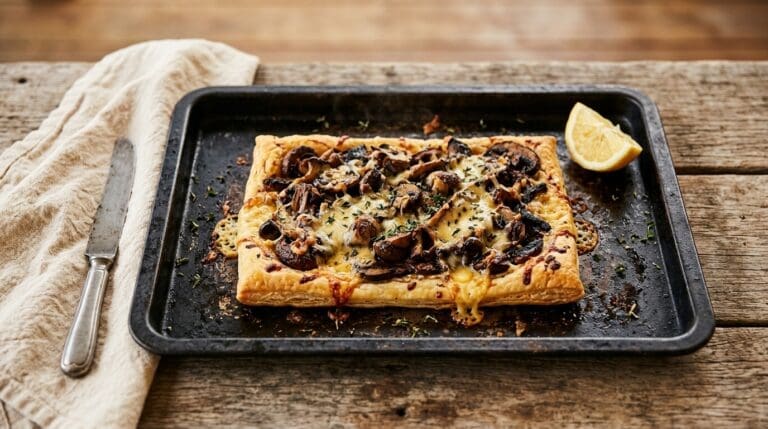
Mushroom Tart on Puff Pastry
Field mushrooms, gruyère, thyme, store-bought puff pastry, thirty minutes. The dinner you make when the day got away from you. Why you should cook this The mushroom tart…
Read the recipe →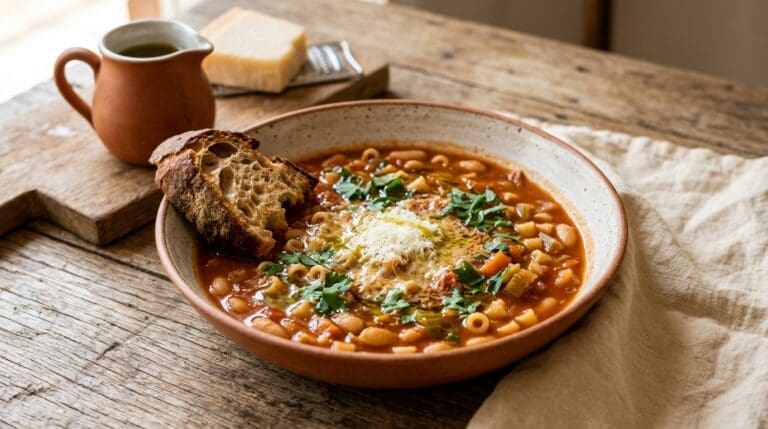
Recipe · Dinner
Pasta e Fagioli
Pasta, beans, soffritto, tomato, a parmesan rind simmered in for two hours. The Italian peasant soup that is somehow worth more than half the things you have paid…
Read the recipe →Notes from the kitchen
Build the drink in the glass. Fill a tall highball with ice (more ice than feels reasonable; the dilution is the drink), pour the amaro over, top with cold tonic, stir gently with a bar spoon for two seconds. Do not over-stir; you will kill the bubbles and the drink will go flat in three minutes. The garnish goes in last: a wide thick wheel of orange (cut a centimetre thick, all the rind and pith intact, the orange flesh providing the colour), and optionally a sprig of fresh rosemary or a strip of fresh thyme. The herb is not strictly necessary but it adds a quiet third note that makes the drink feel intentional.
Temperature is everything. The tonic must be cold (refrigerated at least four hours before opening), the glass must be cold (a quick rinse with iced water is the trick), and the ice must be plentiful (cubes, not crushed; crushed ice melts too fast and waters the drink down). A drink that is borderline-cold tastes flat and bitter and mediocre. A drink that is properly cold tastes refreshing, balanced, and like the kind of thing you would order three of in a row.
Two things that go wrong
Drink is flat and watery within five minutes
Not enough ice, or the tonic was warm. Use a tall glass packed with ice (8 to 10 cubes), and ensure the tonic is straight from a 4°C fridge. The ice keeps the drink cold; the cold keeps the bubbles. If you find yourself with a flat drink halfway through, top with another splash of fresh tonic.
Drink is too bitter and tastes medicinal
You used too much amaro, or you picked a heavy amaro for an audience that wanted a lighter one. The standard ratio is 50ml amaro to 150ml tonic. If too bitter, top with another 30ml tonic and add a half-spoon of amaro syrup or a squeeze of fresh orange. For a friendlier drink, switch to Montenegro or Averna; for a darker drink, Cynar or Fernet.
Variations worth knowing
Cynar and grapefruit tonic
Use Cynar plus a Capi Grapefruit Tonic instead of regular tonic. Garnish with a wedge of pink grapefruit. The drier, more aromatic version, the version that tastes most like Italy in the heat of a Roman August.
Aperol and tonic (the easy one)
Replace the amaro with Aperol. Lighter, sweeter, brighter; the version for the friend who has only ever drunk Aperol Spritz and wants to take a half-step further. Garnish with an orange wheel.
Amaro and ginger beer
Skip the tonic. Use 150ml of a quality ginger beer (Bundaberg or Capi). The drink becomes a winter version of a Dark and Stormy. Cynar plus ginger beer is the underrated combination.
Leftovers and make ahead
There are no leftovers. If there are, the drink has gone flat and the orange has gone soggy and you should pour it down the sink without remorse. The Amaro Tonic is built fresh, served immediately, and does not benefit from sitting around. The amaro and the tonic, however, both keep indefinitely on the bar (amaro fortified to around 30% ABV, tonic indefinitely sealed; once opened, tonic loses fizz within two days).
If you have a half-bottle of tonic left over from a lone Amaro Tonic, use it the next morning in a Vermouth and Soda (50ml dry vermouth, 100ml tonic, lemon twist), or in a half-strength Negroni Sbagliato (use sparkling tonic instead of prosecco). Both extend the open bottle and both are pleasant Sunday morning drinks.
The recipe
[fd-wprm-placeholder]