

Why you are pouring this tonight
The Martini is not a cocktail, it is a mood. It is the drink you reach for when you are fifteen minutes from dinner and want the room to feel like the reservation is somewhere more expensive than it actually is. Three ingredients, three minutes, one cold glass. There is nowhere to hide.
Pair it with salt. Real salt. Oysters on ice, a sheet of jamon, a small bowl of Ortiz anchovies on buttered sourdough, a ramekin of fat green olives, a wedge of two-year Parmigiano. A Martini next to something rich and briny is the oldest pre-dinner move on the planet and it still works because nothing has ever bettered it.
Gin or vodka is your call, and we are not going to fight about it. Gin if you want herbal lift and personality, vodka if you want a clean, cold, silky hit that gets out of the way of the food. Both are correct. Anyone who tells you otherwise is not as interesting as they think.
What you need
- 60 ml London Dry gin, or good vodka. Tanqueray London Dry at around $55 from Dan Murphy’s is the default and it is excellent. Four Pillars Rare Dry at $80 if you want an Australian gin with more lift. For vodka, Belvedere or Grey Goose at $70 to $85. Skip the flavoured stuff. This is not the drink for it.
- 10 ml dry vermouth. Dolin Dry from Savoie at around $28 is the one. Noilly Prat Original Dry is the other benchmark. Store it in the fridge after opening, use within six weeks. Warm shelf vermouth is why home Martinis go wrong.
- Ice. A good tray of big clear cubes if you have them, a big scoop of freezer cubes if you don’t. More is better.
- Garnish. An olive (Manzanilla, pimiento-stuffed, or good Sicilian) on a cocktail pick, or a strip of lemon peel expressed over the glass and dropped in. One or the other, not both.
How to make it
-
Chill the glass first. Put a coupe or Martini glass in the freezer for at least ten minutes, or fill it with ice and cold water while you mix. Cold glass is not optional.
-
Build in a mixing glass. Pour 60 ml gin and 10 ml vermouth into a mixing glass or a clean pint glass. The ratio is six to one. Adjust to your taste over time. Five to one is wetter and rounder, eight to one is drier and tighter.
-
Stir hard over ice for 20 seconds. Fill the mixing glass with ice. Stir with a long spoon, briskly, for a full twenty seconds by the clock. You are chilling and diluting at the same time. The drink should go from painfully cold when you taste the spoon to properly cold and viscous.
-
Strain into the chilled glass. Empty the ice and water from the chilled glass, strain the drink in through a julep or Hawthorne strainer. It should be crystal clear.
-
Garnish and serve immediately. Drop in an olive, or express a lemon peel over the top (skin side down, give it a twist) and drop it in. Take it straight to the table. A Martini waits for no one.
Five dinners that make this drink sing
- A dozen rock oysters with mignonette. The benchmark pairing. Cold brine meets cold juniper. A vodka Martini works if oysters are the main event; a gin Martini if they are the starter to something bigger.
- Spaghetti alle vongole. Garlic, chilli, white wine, clams. The herbal gin note threads straight through the parsley and garlic. Keep the Martini small and dry and drink a glass of Fiano with the pasta.
- Whole baked snapper with lemon and herbs. A Friday-night fish dinner. The Martini cleans the butter off your palate and sets up the next forkful.
- A charcuterie and cheese board. Jamon, bresaola, aged manchego, a piece of truffled pecorino, marinated artichokes. The Martini does the work of three different wines.
- Steak frites with bearnaise. Controversial but correct. The cold dry Martini cuts the butter and the fat, and the gin plays with the tarragon in the bearnaise.
Three small variations worth knowing
Cocktail
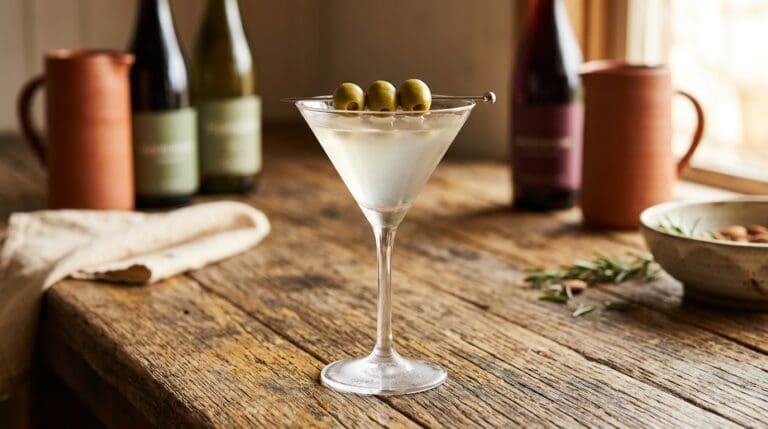
The Dirty Martini
Add 5 to 10 ml of olive brine to the mixing glass before stirring. Saltier, rounder, louder. Brilliant with oysters, sashimi, or a plate of fried calamari. Use Manzanilla brine from a proper jar, not the leftover water from a supermarket tub.
Read the recipe →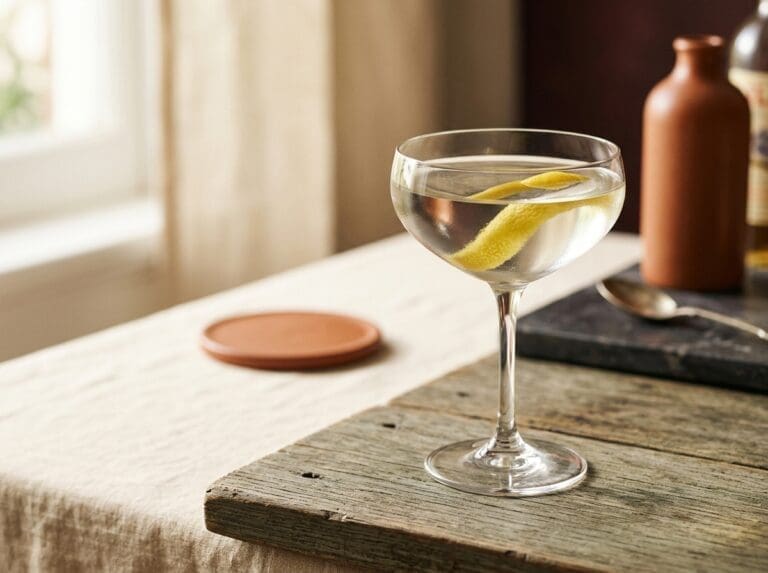
Cocktail
The Vesper
45 ml gin, 15 ml vodka, 7.5 ml Lillet Blanc. Shake not stir (yes, that James Bond line), strain into a chilled coupe, lemon peel. Lillet brings a soft apricot-honey edge. Pair it with anything French and slightly rich: duck rillettes, a wedge of brie, roasted quail.
Read the recipe →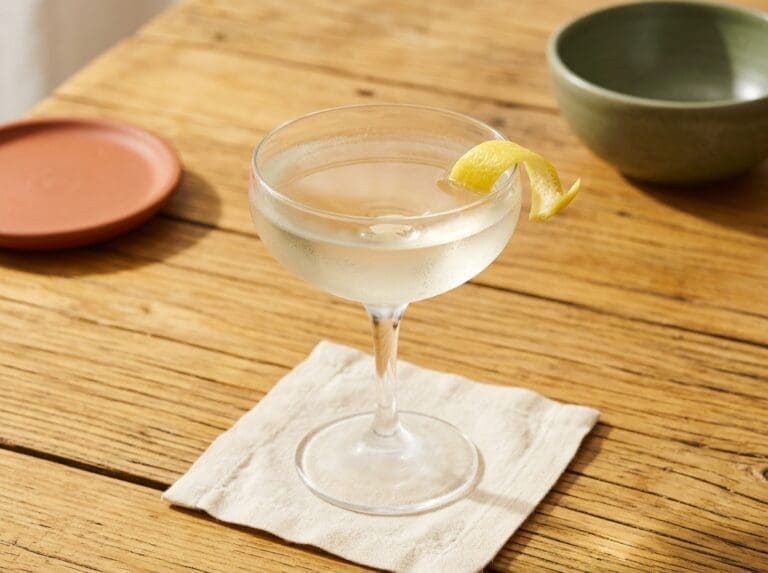
Cocktail
The 50/50 Martini
Equal parts gin and vermouth. Wetter, softer, much more food-friendly than a classic dry Martini. Stir the same way, same garnish. Excellent with Italian antipasti, risotto Milanese, or a whole Dover sole.
Read the recipe →Bottles worth buying for this
Gin first. A bottle of Tanqueray or Four Pillars Rare Dry is the backbone of your bar, and it does double duty for Gin and Tonics, Negronis, French 75s. Spend the money once.
Vermouth second. Dolin Dry or Noilly Prat, and keep it in the fridge. A half-full dusty bottle on the shelf is why your Martinis taste like sad celery. Vermouth is wine. Treat it like wine.
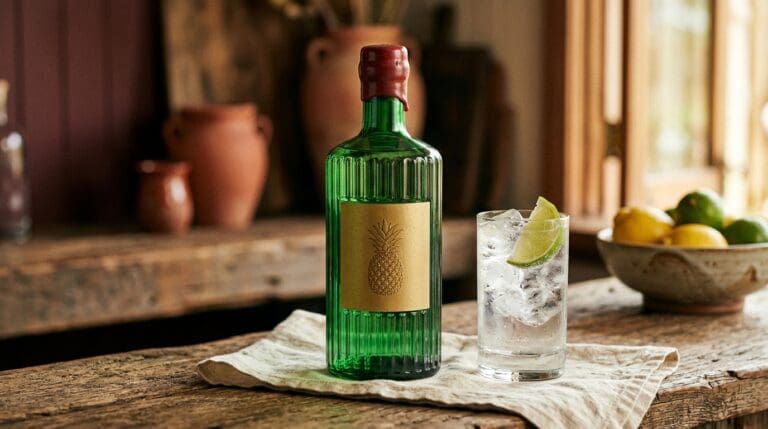
Tanqueray London Dry Gin
Our takeTanqueray is the reliable workhorse of the London Dry gin world. Four botanicals - juniper, coriander, angelica, liquorice - no bush tucker detours, no stunts. What you…
Read more →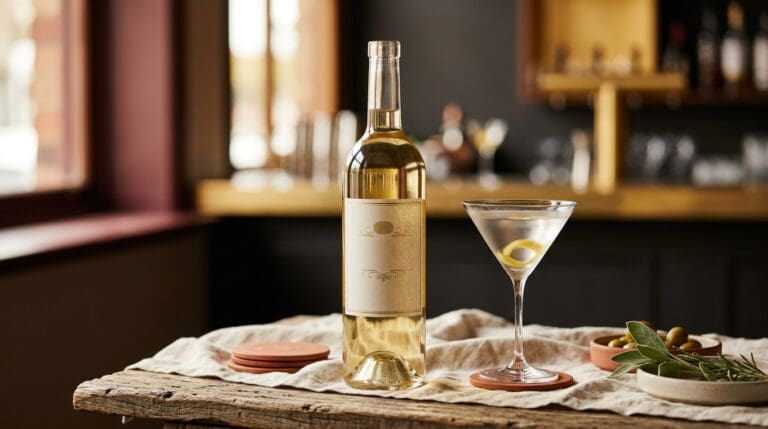
Dolin Dry Vermouth de Chambery
The Martini vermouth. Dry, herbal, alpine, with nothing flashy - chamomile, hay and lemon-peel dryness in the right measure. Keep it in the fridge once opened. A good Martini is mostly a vermouth decision.
Read more →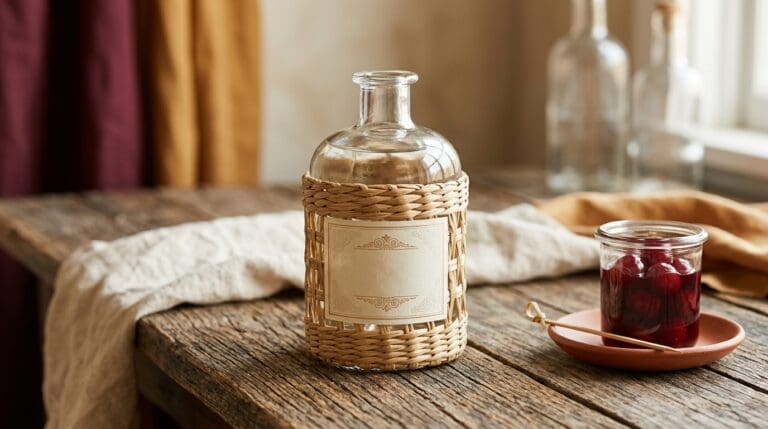
Luxardo Maraschino Liqueur
Luxardo Maraschino is a stealth bottle. Made from marasca cherries, pit, stem, and flesh, distilled clear, and aged in Finnish ash wood that doesn't tint it.
Read more →You might also like
Cocktail
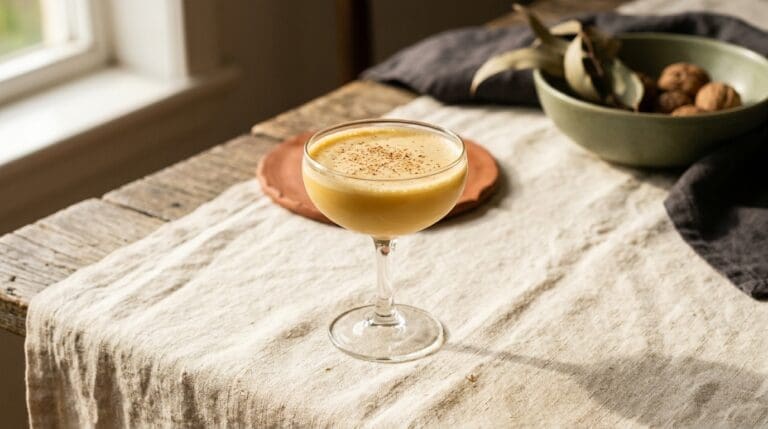
Rye Honey Flip
Why you are pouring this tonight The Rye Honey Flip is the old-school flip, which means whole egg, not just the white. Rye, honey syrup, whole egg, nutmeg…
Read the recipe →
Cocktail
Fig & Honey Old Fashioned
Autumn Old Fashioned. Why you are pouring this tonight The Fig and Honey Old Fashioned is the Old Fashioned for the four weeks of autumn when fresh figs…
Read the recipe →
Cocktail
Honey Tequila Sour
The Whisky Sour template with reposado tequila and honey syrup. Why you are pouring this tonight I'd like to say this drink came from a bartender on Calle…
Read the recipe →
Cocktail
Honey French 75
The French 75 with honey syrup in place of simple. Why you are pouring this tonight The Honey French 75 is the French 75 with honey syrup in…
Read the recipe →
The Martini
Ingredients
Method
- Chill a coupe or martini glass in the freezer for at least 10 minutes.
- Combine gin and vermouth in a mixing glass.
- Fill with ice and stir briskly with a bar spoon for a full 20 seconds.
- Strain into the chilled glass.
- Garnish with an olive or an expressed lemon peel. Serve immediately.